

Pardes Rimonim by the Ramak: what it is, structure and how to read it
Read aloud with your device’s voice.
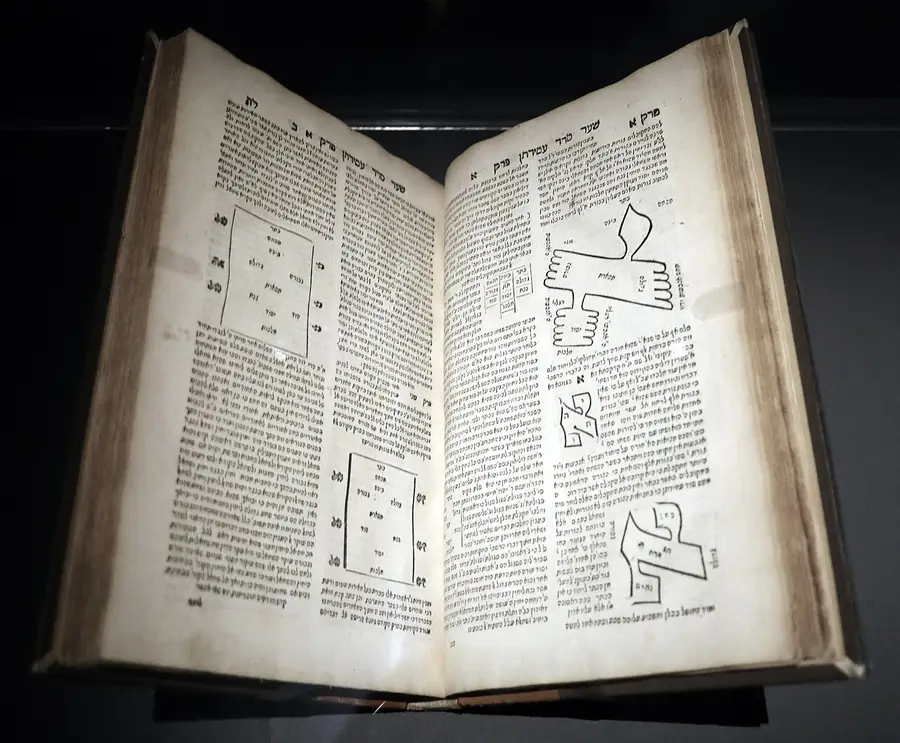
Pardes Rimonim (פרדס רימונים), “Orchard of Pomegranates,” is the systematic exposition of Kabbalah that Rabbi Moshe Cordovero, the Ramak, composed in Safed in 1548. The source calls it the first complete exposition of medieval Kabbalah.
Quick facts
| Author | Rabbi Moshe Cordovero (the Ramak) |
| Composed | 1548, in Safed |
| Structure | Thirty-two gates, divided into chapters |
| First edition | Kraków, 1591 |
| Basis | Notes taken during his study of the Zohar |
The title
The name alludes to Song of Songs 4:13. In his introduction, Cordovero gives two reasons: that this wisdom, Kabbalah, is known by the term pardes (“orchard”), and that its structure is like that of fruit, with chapters like pomegranates of sections arranged and full like a pomegranate.
Content
It is an encyclopedic summary of Kabbalah: the sefirot, emanation, the divine names and the meaning of the alphabet. Cordovero wrote that he composed it so as not to be lost in the depths of the Zohar. According to his introduction, he divided it into thirty-two gates; the Sefaria edition presents the text with a different grouping, of thirteen sections.
Editions and commentaries
- First edition: Kraków, 1591.
- Summary: Asis Rimonim, by Rabbi Shmuel Gallico.
- Commentaries: Rabbi Menachem Azariah of Fano, Rabbi Mordechai Prszybram and Rabbi Yeshayah Horowitz commented on some parts.
- Partial Latin translations: Bartolocci, Joseph Ciantes (1664), Athanasius Kircher (Rome, 1652–1654) and Christian Knorr von Rosenroth (Kabbala Denudata, 1677).
Influence
It was one of the most widely read kabbalistic works and was considered the basis of the kabbalistic vision until the works of the Arizal eclipsed it. See the biography of the Arizal.
Frequently asked questions
What does Pardes Rimonim mean?
“Orchard of Pomegranates.”
When was it written?
In 1548, when the Ramak was about twenty-six years old.
How many gates does it have?
Thirty-two, according to the author’s introduction.
News from Ancient Gate Press
We will let you know about new books, samples and news from the press. No spam.
Sources
- Pardes Rimonim, reference article (English Wikipedia) and the sources it cites
- Cross-checking: the author’s introduction (Sefaria); Moses ben Jacob Cordovero, reference article