The Chofetz Chaim, Rabbi Yisrael Meir Kagan (1838–1933): biography and works
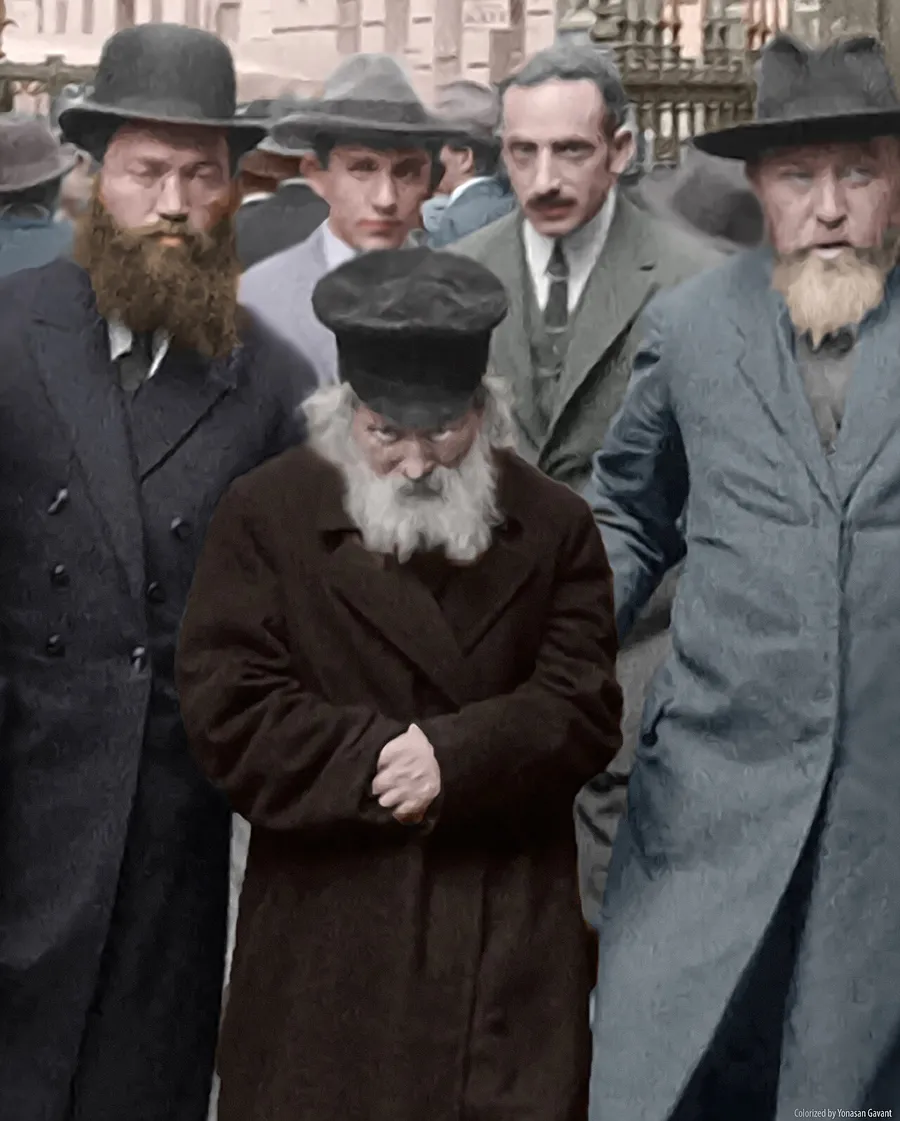
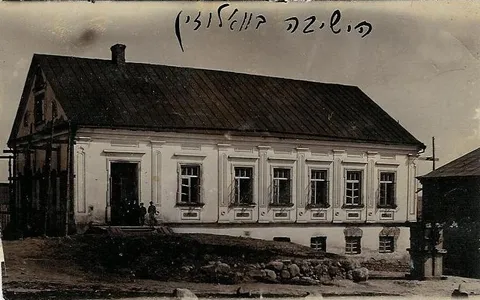
Rabbi Yisrael Meir Kagan (ישראל מאיר הכהן), known as the Chofetz Chaim after the title of his first book, was one of the great teachers of Jewish ethics and law in Eastern Europe. He was born on February 6, 1838 in Zhetl (today Dzyatlava, Belarus) and died on September 15, 1933 in Radin, at the age of ninety-five.
Quick facts
| Name | Rabbi Yisrael Meir Kagan (Poupko). Called the Chofetz Chaim |
| Born | February 6, 1838, in Zhetl |
| Died | September 15, 1933, in Radin |
| Works | Chofetz Chaim, Shemirat HaLashon, Mishnah Berurah, Ahavat Chesed |
| Institution | The Radin yeshiva, founded in 1869 |
Childhood
His father died in a cholera epidemic when he was about ten years old. His mother took him to Vilna so that he could continue his studies, and there he learned with Rabbi Yaakov Barit; to pay for his lodging he tutored the son of a family. At seventeen he married Frida Epstein, daughter of his stepfather, and settled in Radin. He signed some letters with the surname “Poupko” and others with “Kagan.”
The Radin yeshiva
He was briefly rabbi of the town and resigned to found, in 1869, a yeshiva that achieved international fame. Between 1864 and 1869 he had taught Talmud in Minsk and Vashilishok. The source says that for a time he and his wife ran a small shop. He traveled widely to encourage the observance of Shabbat and of the commandments. His son-in-law, Rabbi Mendel Zaks, was another prominent figure of the yeshiva.
His works
- Chofetz Chaim (1873): his first book, on the laws of evil speech (lashon hara). From it he took his name.
- Shemirat HaLashon (1876): on guarding one’s speech.
- Mishnah Berurah: a six-volume commentary on the Orach Chaim of the Shulchan Aruch, published between 1884 and 1907; his most widely used work of Halacha.
- Biur Halacha and Shaar HaTziyun: supplements to the Mishnah Berurah.
- Ahavat Chesed (1888): on loans and acts of kindness.
- Others: Machaneh Yisrael (on the minimum observance for soldiers), Likutei Halachot, Torat Kohanim and Tzipita LeYeshuah.
The name
“Chofetz Chaim” comes from the title of his first work, usually translated “the one who desires life.” The name came to designate its author.
Community activity
He played a central role in Agudat Israel in Eastern Europe. He was associated with the mussar movement although he did not support all its aspects, and he opposed Zionism, according to the source.
Humility and anecdotes
His contemporaries described him as modest and humble, and he avoided disputes. Many counted him among the lamed vav tzaddikim, the thirty-six hidden righteous ones; this is a widespread belief, not a verified fact. A story is repeated about Polish peasants who took him to their fields believing his steps would improve the soil; the source is a 1988 article and it should be treated as folklore.
It is told that he did not have formal rabbinic ordination until very late, when a passport application required a title. There are two versions that do not agree: one places it in his old age, by telegram from Rabbi Chaim Ozer Grodzinski, and another at the age of seventeen.
His death
He died in Radin in 1933. In 1925 it was announced that he would settle in Petach Tikva, but rabbis and heads of yeshivot convinced him to stay.
Frequently asked questions
Why is he called the Chofetz Chaim?
After the title of his first book, on evil speech.
What is the Mishnah Berurah?
A six-volume commentary on the Orach Chaim of the Shulchan Aruch, widely used as a guide to daily Halacha.
How long did he live?
Ninety-five years, according to the dates given.
Sources
- Yisrael Meir Kagan, reference article (English Wikipedia) and the sources it cites