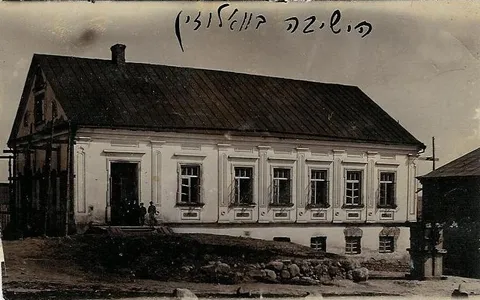
Nefesh HaChaim by Rabbi Chaim of Volozhin: what it is and structure
Nefesh HaChaim (נפש החיים), “The Soul of Life,” is the main work of Rabbi Chaim of Volozhin, a disciple of the Vilna Gaon. It is an exposition with kabbalistic elements on G-d, prayer and the Torah. It was published posthumously, in 1824, in Vilna and Grodno.
Quick facts
| Author | Rabbi Chaim of Volozhin |
| Publication | Posthumous: Vilna and Grodno, 1824 |
| Structure | Four gates and an intermediate part |
| Purpose | To implant the fear of G-d, the Torah and pure worship |
| Relation | Considered the Lithuanian answer to Hasidism |
Structure
According to Norman Lamm, cited by the source, the work has five parts: four numbered “gates” and an unnumbered part located between the third and the fourth.
- Gates 1 to 3: mostly metaphysical and mystical, with 22, 18 and 14 chapters.
- Gate 4: more popular, extolling the study of the Torah, with 34 chapters.
- Intermediate part: eight chapters, serving as a preface to the fourth gate, mostly ethical, such as the suppression of pride.
Lamm holds that the intermediate part was written after the rest, from glosses and cross-references; this is his inference.
Content and purpose
The author declares that his purpose is to implant “the fear of G-d, the Torah and pure worship” in the hearts of the upright. It deals with the nature of G-d, the secrets of prayer and the importance of the Torah, with a clear and orderly kabbalistic vision.
Alongside Hasidism
It is generally considered the Lithuanian answer to Hasidism, and it deals with many of the same questions as the Hasidic texts of its time. Its tone is much less harsh than that of the criticisms of the Vilna Gaon and of Rabbi Yechezkel Landau. See the biography of the Vilna Gaon.
Publication
Rabbi Chaim valued it, according to tradition, above his other writings on Halacha and asked his sons to hurry to publish it before he died; it was printed in 1824, in Vilna and Grodno.
Frequently asked questions
What does Nefesh HaChaim mean?
“The soul of life.”
Who was its author?
Rabbi Chaim of Volozhin, a disciple of the Vilna Gaon.
Was it published in the author’s lifetime?
No. It was printed in 1824, after his death.
Sources
- Nefesh HaChaim, reference article (English Wikipedia), which cites Norman Lamm
- Chaim of Volozhin, reference article (English Wikipedia); Kedem catalog (1824 edition)