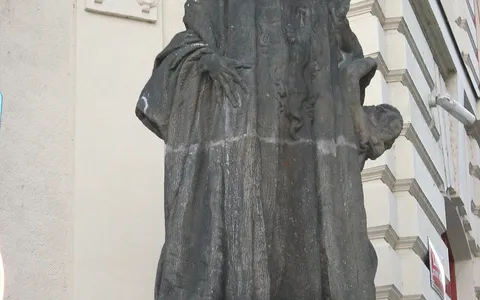
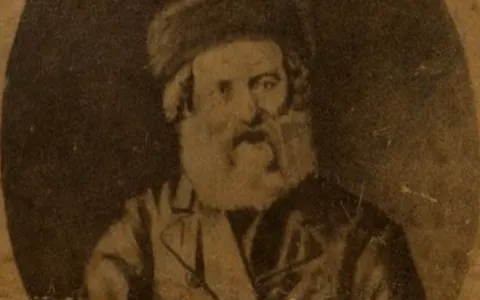
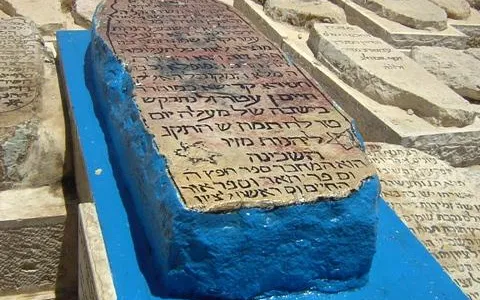
The Vilna Gaon, Rabbi Eliyahu (1720–1797): biography, works and legacy
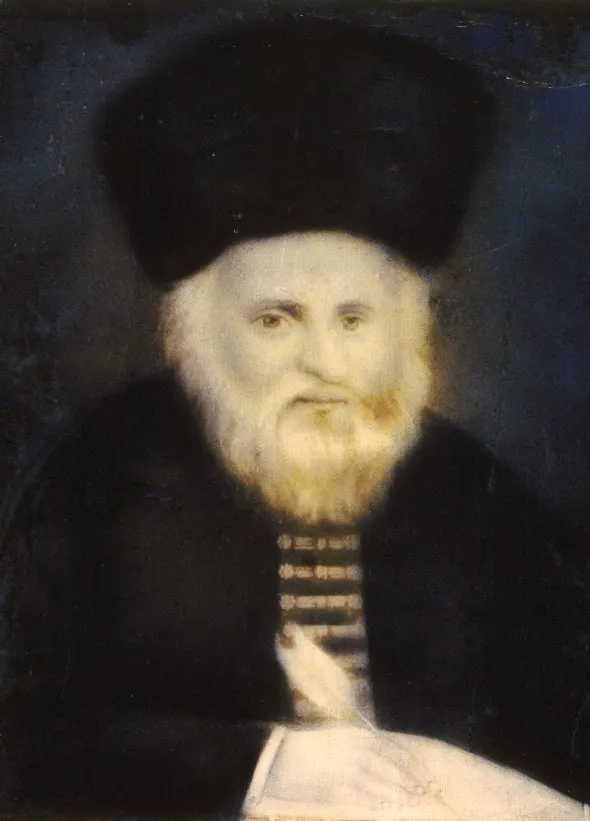
Rabbi Eliyahu ben Shlomo Zalman (הגר״א), the Vilna Gaon, known by the acronym Gra, was the great rabbinic authority of Lithuania in the 18th century. He was born on the 15th of Nisan 5480 (April 23, 1720) in Sielec, near Brest, and died in Vilna on the 19th of Tishrei 5558 (October 9, 1797), at the age of seventy-seven.
Quick facts
| Name | Rabbi Eliyahu, son of Shlomo Zalman. Acronym: Gra |
| Born | April 23, 1720 (15 Nisan 5480), in Sielec |
| Died | October 9, 1797 (19 Tishrei), in Vilna |
| Position | Never accepted any official rabbinic post |
| Works | Biurei HaGra, Shenot Eliyahu, Aderet Eliyahu |
| Chief disciple | Rabbi Chaim of Volozhin |
A child prodigy
Until the age of six he studied with a teacher, and at that age he gave a sermon in the Great Synagogue of Vilna that his father had taught him. Around the age of seven he spent about three months in Kaidan, studying with Rabbi David Katzenellenbogen and Rabbi Moshe Margoliot. He began astronomy around the age of eight and Kabbalah around nine; by nine he knew, according to tradition, the Tanakh and the Talmud with their commentaries. Around ten he studied on his own.
His life
At twenty he traveled to Poland and Germany and returned to Vilna in 1745. He always refused an official post in order to devote himself to study; the community of Vilna assigned him a small monthly allowance. Already at that age rabbis sent him difficult questions. He married Jana, daughter of Yehuda Leib of Kaidan, who died in 1783, and afterward Gitl, a widow from Chelm.
A life of study
In 1767 he opened a beit midrash next to his house for a chosen group of scholars. He did not formally head a yeshiva.
His works
None of his manuscripts was published in his lifetime. Among his works:
- Biurei HaGra: glosses on the Shulchan Aruch and on the Babylonian Talmud.
- A continuous commentary on the Mishnah, and Shenot Eliyahu.
- Aderet Eliyahu: on the Torah, published by his son.
- Commentaries on Proverbs and on other books, and kabbalistic commentaries on the Zohar, on the Sifra DiTzeniuta and on the Sefer Yetzirah.
- Ayil Meshulash: a work on mathematics, astronomy and geometry.
He supported the study of mathematics and geometry as aids to the Torah, but opposed philosophy and metaphysics.
Opposition to Hasidism
He aligned himself with the mitnagdim (“opponents”) against Hasidism. His signature appears on the decree of excommunication (cherem) of the community of Vilna against the Hasidim of 1772, and there was another in 1781. He refused to receive Rabbi Shneur Zalman of Liadi: see his biography. Historians offer different explanations of his opposition; the signature of 1772 proves the action of the community, not necessarily his sole authorship.
Disciples
His greatest disciple was Rabbi Chaim of Volozhin, who founded the Volozhin yeshiva and wrote Nefesh HaChaim. Others were Rabbi Yisrael of Shklov and Rabbi Menachem Mendel of Shklov. After his death, many disciples emigrated to the Land of Israel from 1808 and refounded part of the Ashkenazi community of Jerusalem.
The attempt to go to the Land of Israel
He tried to emigrate and wrote a letter during the journey toward Königsberg. The attempt failed and he returned home, and it is told that he said he did not have permission from Heaven. The date is disputed: 1759–1760, 1767, 1778 and 1782 have been proposed.
Customs and legends
It is told that he slept about two hours a day, in four half-hour portions, and that he fasted entire days while working on difficult talmudic problems. These accounts come mainly from his sons and disciples and are not verified. His minhag (custom) is followed by many yeshivot and largely prevails among the Ashkenazim of Jerusalem.
Frequently asked questions
What does Gra mean?
It is the acronym of HaGaon Rabbi Eliyahu (הגר״א).
Why did he oppose Hasidism?
Historians give several explanations. He signed the decree of 1772 and refused to receive the Hasidic leaders.
What became of his manuscripts?
None was published in his lifetime; his sons and disciples published them afterward.
Sources
- Vilna Gaon, reference article (English Wikipedia) and the sources it cites