The Rashbam, Rabbi Shmuel ben Meir (c. 1085–1158): biography and literal commentary
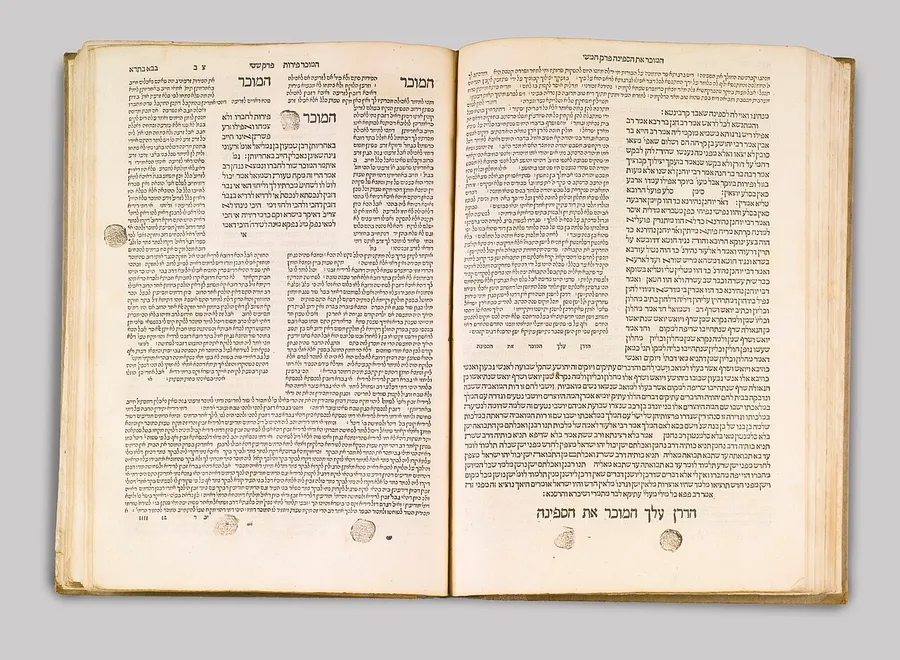
Rabbi Shmuel ben Meir (שמואל בן מאיר), the Rashbam, was a grandson of Rashi, a tosafist and one of the great Torah commentators focused on the literal sense (peshat). He was born around 1085 near Troyes and died around 1158; both dates are approximate.
Quick facts
| Name | Rabbi Shmuel ben Meir. Acronym: Rashbam |
| Born | Around 1085, near Troyes |
| Died | Around 1158 (approximate date) |
| Parents | Rabbi Meir ben Shmuel and Yocheved, daughter of Rashi |
| Brothers | Shlomo the Grammarian, the Rivam and Rabbeinu Tam |
| Works | Torah commentary, commentaries on the Talmud, tosafot |
Family and education
He was a grandson of Rashi, whose acronym gives rise to his name, and the older brother of Shlomo the Grammarian, of Rabbi Yitzchak ben Meir (the Rivam) and of Rabbi Yaakov ben Meir (Rabbeinu Tam). He learned from Rashi and from Rabbi Yitzchak ben Asher HaLevi (the Riva), and taught his brother Rabbeinu Tam. See the biography of Rashi.
His life
He earned his living from cattle and from growing vines. He is described as pious and modest, and as absent-minded. He taught in Rouen around 1150, where he probably met Abraham ibn Ezra. He defended Jewish beliefs in public disputations organized by the Church, to which he alluded in his commentary, above all regarding mistranslated biblical terms. The source has an inconsistency: it says that a synod of Troyes in which he took part took place around 1160, later than the date of his death.
His works
- Torah commentary: distinguished by the priority of peshat over homiletic readings. Some of his positions were controversial: he held, for example, that the day begins at dawn and not at the fall of the previous evening. His commentary on Genesis was lost for a long time and was not fully recovered until the end of the 19th century.
- Commentaries on the Talmud: on Bava Batra (from 29a to the end) and on Pesachim (from 99b to the end), in a long and a short version, of which usually only the long one survives. Also on Avodah Zarah and Niddah, additions to Alfasi, responsa and notes on Pirkei Avot.
- Tosafot: opinions of his that do not appear in his surviving writings are often cited in the Tosafot.
Relationship with Rashi
His method differed from his grandfather’s: he prioritized the plain sense, and the source notes that he argued with Rashi about it. It is told that Rashi said that, if he had time, he would revise his own commentaries.
Frequently asked questions
What does Rashbam mean?
It is the acronym of Rabbi Shmuel ben Meir (רשב״ם).
What distinguishes him as a commentator?
His insistence on the literal sense of the text.
What was his relationship with Rashi?
He was his grandson, through his mother, Yocheved.
Sources
- Samuel ben Meir, reference article (English Wikipedia) and the sources it cites