Rabbeinu Bachya ben Asher (1255–1340): biography, Torah commentary and Kad HaKemach
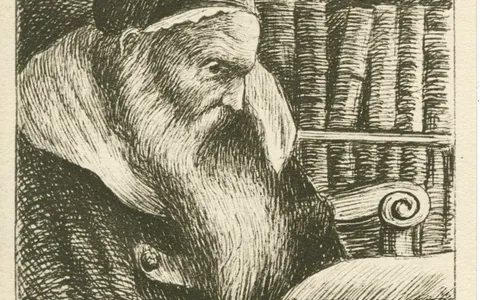
Rabbeinu Bachya ben Asher (רבינו בחיי), of Zaragoza, was a Torah commentator, kabbalist and moralist of the 14th century. The source gives his years as 1255–1340. His Torah commentary combines four levels of interpretation and was one of the most widely read exegetical works of the Middle Ages.
Quick facts
| Name | Rabbeinu Bachya ben Asher ibn Halawa |
| Years | 1255–1340 |
| Place | Zaragoza |
| Teacher | Rabbi Shlomo ibn Adret (the Rashba) |
| Works | Torah commentary, Kad HaKemach, Shulchan shel Arba |
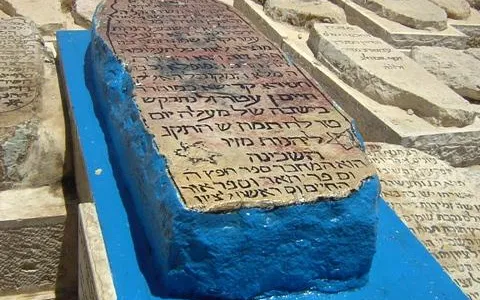
| Burial | Kadarim, Israel, near the traditional tomb of the prophet Habakkuk |
His life
He was a disciple of the Rashba and, unlike his teacher, did not publish a commentary on the Talmud. He was a darshan (preacher) in Zaragoza, a post he shared with others. The source gives little personal information: no ancestry is recorded.
His works
Torah commentary
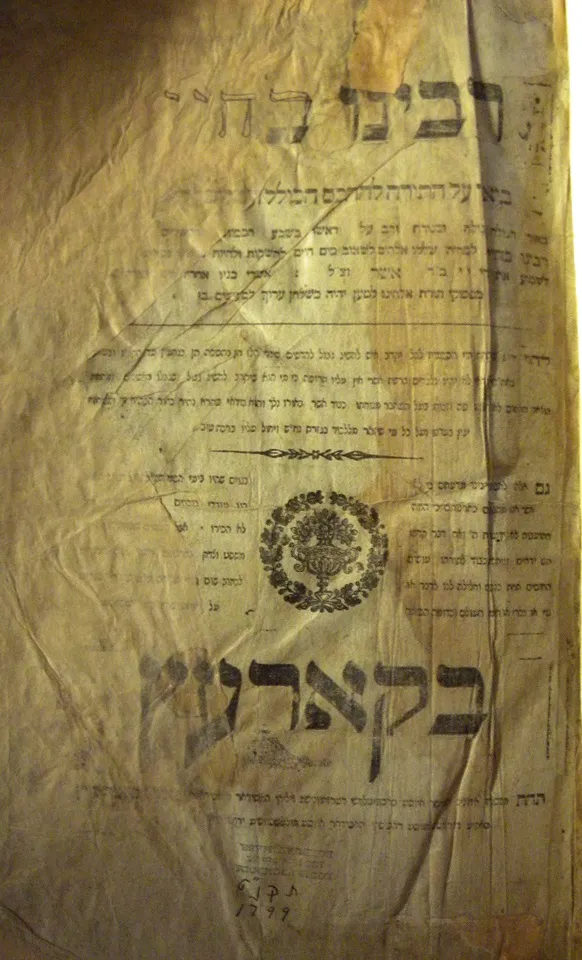
His main work is the Midrash Rabbeinu Bachya al HaTorah. It was widely used: it had at least ten supercommentaries. It draws heavily on Kabbalah and, according to the source, distinguishes four methods: the literal sense (pshat), midrash and aggadah, philosophical analysis (accepted only where it does not clash with tradition) and Kabbalah, which he calls “the path of light.” He took the approach of the Ramban as his model. It was first printed in Naples, in 1492.
Kad HaKemach
“The jar of flour”: sixty chapters arranged alphabetically, on ethics, faith, prayer and Jewish law, combining mussar and philosophy. It was printed in Constantinople in 1515.
Shulchan shel Arba
“The table of four”: four chapters. The first three deal with the rules of festive meals, and the fourth with the banquet of the righteous in the world to come. The Mantua edition of 1514 was mistakenly attributed to the Ramban.
The source warns that several works that have been attributed to him, such as HaEmunah VeHaBitachon or Ma’arechet HaElohut, are not his.
Not to be confused with Bachya ibn Paquda
Both are known as “Rabbeinu Bachya,” but ibn Paquda was an earlier philosopher, author of Chovot HaLevavot. The data in this article correspond only to Bachya ben Asher.
Frequently asked questions
What is Kad HaKemach?
A book of ethics and faith, with sixty chapters arranged alphabetically.
Who was his teacher?
The Rashba, Rabbi Shlomo ibn Adret.
When was his commentary printed?
In Naples, in 1492.
Sources
- Bahya ben Asher, reference article (English Wikipedia) and the sources it cites