Rabbi Moshe ben Nachman, the Ramban (Nachmanides): biography, works and legacy
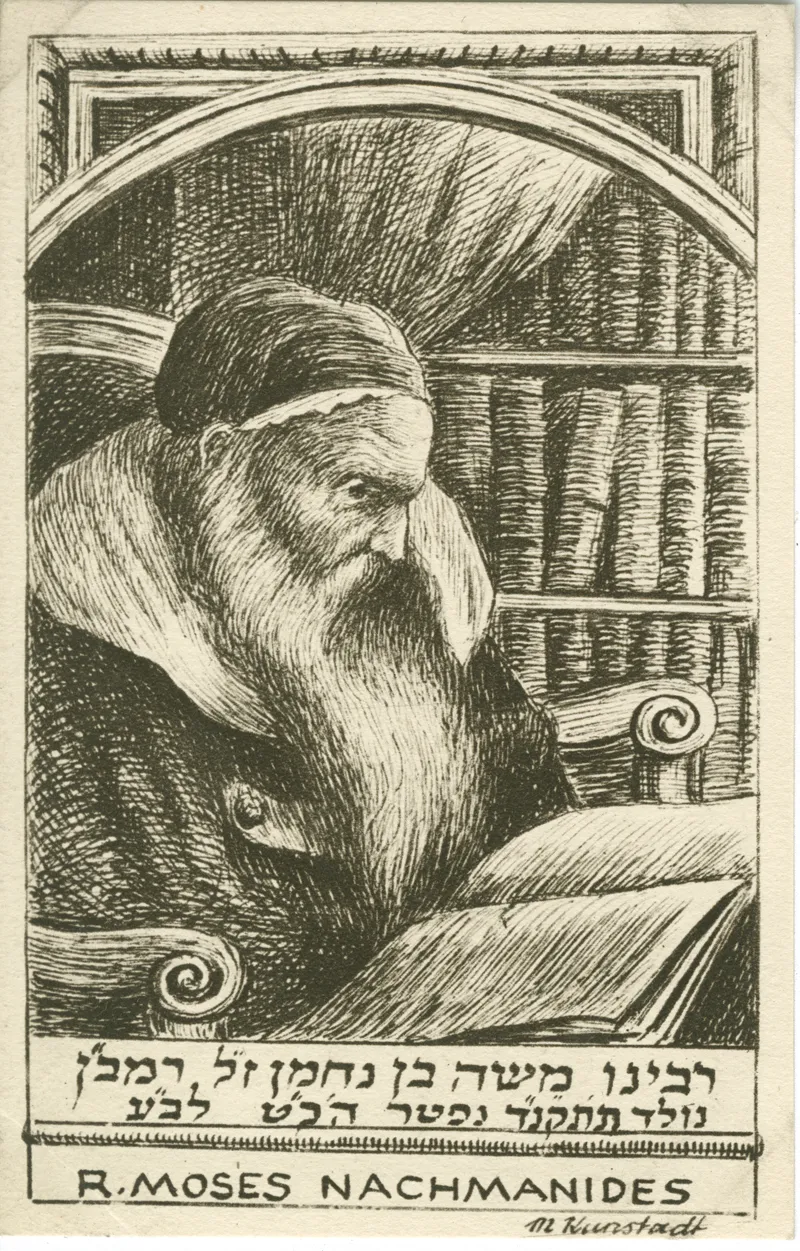
Rabbi Moshe ben Nachman (משה בן נחמן), known by the acronym Ramban and as Nachmanides, was a talmudist, Torah commentator, kabbalist and physician. He was born in Gerona, in Catalonia, around 1194, and died in the Land of Israel around 1270. He is the protagonist of the Disputation of Barcelona of 1263 and the author of one of the most influential commentaries on the Torah.
Quick facts
| Name | Rabbi Moshe ben Nachman. Acronym: Ramban (רמב״ן). Nachmanides |
| Born | In Gerona, 1194 |
| Died | In the Land of Israel, around 1270 |
| Teachers | Rabbi Yehuda ben Yakar and Rabbi Natan ben Meir |
| Works | Torah commentary, Chiddushim on the Talmud, Milchamot Hashem, Torat HaAdam |
Education
He grew up and studied in Gerona. His teachers were Rabbi Yehuda ben Yakar and Rabbi Natan ben Meir of Trinquetaille, and tradition tells that he learned Kabbalah from Rabbi Azriel of Gerona. That relationship is traditional and is not firmly documented. According to a responsum of Rabbi Shlomo ibn Adret, he studied medicine, which is why he is sometimes called a physician.
His works
- Torah commentary (Perush al HaTorah): his last work and the best known. It criticizes Rashi, Ibn Ezra and Maimonides, and includes kabbalistic and aggadic interpretation. He wrote it in part for the community of the Land of Israel.
- Chiddushim on the Talmud: commentaries on specific passages of the Talmud, following the method of the tosafists and the Sephardic teaching.
- Milchamot Hashem: defends Rabbi Yitzchak Alfasi against Zerachyah HaLevi.
- Torat HaAdam: on mourning and burial; its last chapter, Shaar HaGmul, deals with eschatology.
- Hasagot: a defense of Rabbi Shimon Kayara against Maimonides’ Sefer HaMitzvot.
- Perush Iyov (commentary on Job) and Iggeret HaMussar, a letter to his son.
The attribution of some works is disputed: the Iggeret HaKodesh is now attributed to another author, possibly Rabbi Yosef Gikatilla, and the Sodot HaTefillah are probably by Rabbi Elazar of Worms.
His relationship with Maimonides
He showed great respect for Maimonides without giving up disagreeing with him. Around 1238 he tried to mediate in the controversy over the Guide for the Perplexed with a compromise proposal which both sides rejected.
The Disputation of Barcelona (1263)
In July 1263 (from the 20th to the 24th, according to the source), before King James I of Aragon, he debated with Pablo Christiani, a convert from Judaism sent by the Dominican Raymond of Peñafort. The discussion was about whether the Messiah had come, whether he was divine and which was the true faith. According to the source, he was considered the winner, although the Dominicans disputed this.
Afterward, the Dominicans brought charges over the written account that he published. He was sentenced to two years of exile and his book to the fire. According to the source, Pope Clement IV in practice turned the banishment into a permanent one. It is disputed whether Bonastruc ça Porta, a name often associated with him, is the same person.
The Land of Israel
He moved to Jerusalem in 1267 and founded a synagogue in the Old City, today called the Ramban Synagogue. He later settled in Acre, where he taught a circle of disciples and wrote letters to his family in Spain.
His death
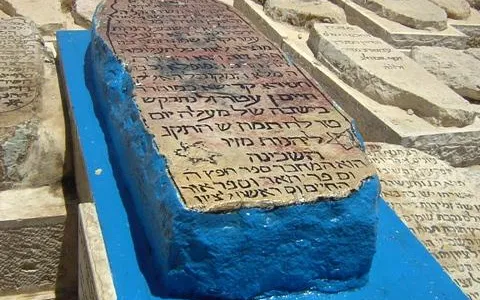
He died in the Land of Israel around 1270, at about seventy-five or seventy-six years of age. Traditions place his grave in Haifa, Acre, Hebron or in the Ramban Cave in Jerusalem, without resolution.
Timeline
| Date | Event |
|---|---|
| 1194 | Born in Gerona |
| c. 1238 | Tries to mediate in the controversy over the Guide |
| 1263 | Disputation of Barcelona, in July |
| 1267 | Arrives in Jerusalem and founds a synagogue |
| c. 1270 | Dies in the Land of Israel |
Frequently asked questions
What does Ramban mean?
It is the acronym of Rabbi Moshe ben Nachman (רמב״ן).
What was the Disputation of Barcelona?
A public debate in 1263, before King James I of Aragon, between the Ramban and a convert, Pablo Christiani.
Why did he have to leave Spain?
Because of the accusations that followed the publication of his account of the disputation.
Was he a kabbalist?
His Torah commentary contains kabbalistic interpretations, and tradition links him with the school of Gerona.
Sources
- Nahmanides, reference article (English Wikipedia) and the sources it cites