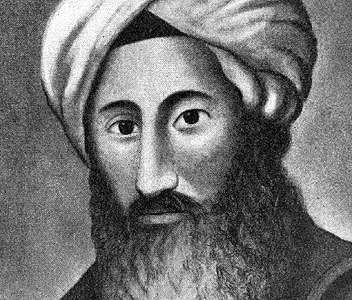
Rabbi Chaim ibn Attar, the Or HaChaim (c. 1696–1743): biography and works
Rabbi Chaim ben Moshe ibn Attar (חיים בן עטר), known as the Or HaChaim after his Torah commentary, was a talmudist and kabbalist from Morocco. He was born around 1696 in Salé, to a family descended from the Jews expelled from Spain, and died in Jerusalem on July 7, 1743, less than a year after arriving in the city.
Quick facts
| Name | Rabbi Chaim ben Moshe ibn Attar. Known as the Or HaChaim |
| Born | Around 1696, in Salé, Morocco |
| Died | July 7, 1743, in Jerusalem |
| Institution | The Knesset Israel yeshiva, in Jerusalem |
| Works | Or HaChaim, Chefetz Hashem, Peri Toar, Rishon LeTzion |
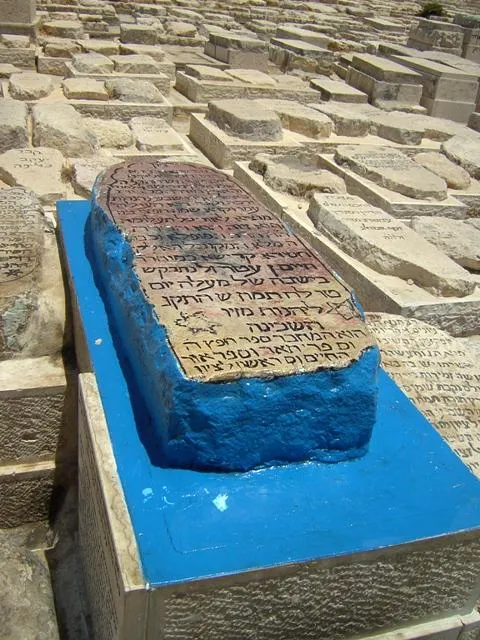
| Burial | Mount of Olives, Jerusalem |
Youth
He was a grandson of Rabbi Chaim ibn Attar the Elder, with whom he studied in his early years. At the age of nine his family fled to Meknes to escape a hostile vizier. His first wife, Fatzunia, bore him no children; with the second, Esther Bibas, he had five daughters, according to a source about which the fact sheet itself asks for caution. In Morocco he headed a yeshiva in Salé. It is told that he gave weekly Torah discourses which were later put in writing and gave rise to the Or HaChaim. After the death of his father-in-law, in 1724, his financial situation worsened.
Journey to the Land of Israel
During a famine he left Morocco for the Land of Israel. In 1739 he was detained in Livorno, where wealthy members of the community opened a yeshiva for him. Other patrons, among them former disciples, helped finance the publication of his work. He recruited students in Algiers and reached Acre with his wives and some thirty disciples; an epidemic delayed the journey. He arrived in Jerusalem in mid-1742 and founded the Knesset Israel yeshiva there.
His works
- Chefetz Hashem (Amsterdam, 1732): dissertations on four tractates of the Talmud.
- Or HaChaim (Venice, 1742): a commentary on the Pentateuch with the four levels of the Pardes; it is his best-known work and was highly esteemed by the Hasidim.
- Peri Toar (Amsterdam, 1742): novellae on the Yoreh Deah of the Shulchan Aruch.
- Rishon LeTzion (Constantinople, 1750): novellae on Talmud tractates, sections of the Shulchan Aruch and other biblical books.
His death
He died on Shabbat, July 7, 1743, and was buried in the Jewish cemetery on the Mount of Olives.
Legend and reception
A tradition tells that the Baal Shem Tov, in Europe, exclaimed that “the light of the West has been extinguished” before news of his death could have reached him. It is a tradition, not a documented fact, and there is no record of a direct relationship between the two. His disciple Rabbi Chaim Yosef David Azulai praised him with admiration, and his work is highly valued in the Hasidic world.
Frequently asked questions
Why is he called the Or HaChaim?
After the title of his Torah commentary, “The Light of Life.”
Where is he buried?
On the Mount of Olives, in Jerusalem.
Where was he from?
From Salé, in Morocco.
Sources
- Chaim ibn Attar, reference article (English Wikipedia) and the sources it cites