The Chida, Rabbi Chaim Yosef David Azulai (1724–1806): biography and works
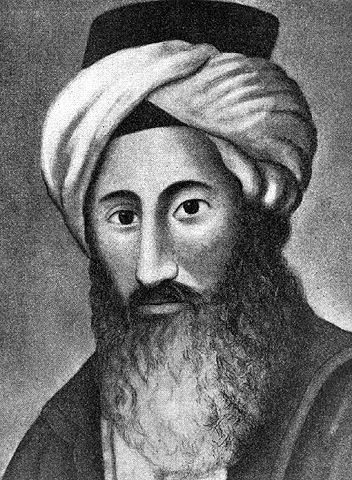
Rabbi Chaim Yosef David Azulai (חיים יוסף דוד אזולאי), the Chida (an acronym of his name), was a Sephardic sage born in Jerusalem, a bibliophile and a pioneer in the publication of Jewish religious writings. He was born in 1724 and died in Livorno on the 11th of Adar 5566 (March 1, 1806). The source calls him “one of the most prominent Sephardic rabbis of the 18th century.”
Quick facts
| Name | Rabbi Chaim Yosef David Azulai. Acronym: Chida |
| Born | 1724, in Jerusalem |
| Died | 11 Adar 5566 (March 1, 1806), in Livorno |
| Reburied | Har HaMenuchot, Jerusalem, 20 Iyar 5720 (May 17, 1960) |
| Teachers | Rabbi Yitzchak HaKohen Rapoport, Rabbi Shalom Sharabi, Rabbi Chaim ibn Attar and Rabbi Yonah Navon |
| Works | Shem HaGedolim, Birkei Yosef, Maagal Tov |
Family
He came from a prominent rabbinic family and was a great-great-grandson of Rabbi Abraham Azulai, a Moroccan rabbi, according to the source (English Wikipedia: “great-great-grandson”). His name “Yosef” came from his maternal grandfather, Rabbi Yosef Bialer. He married twice, both times to a woman named Rachel; the first died in 1773 and he married the second in Pisa on October 28, 1778. His sons were Abraham and Raphael Yeshayah Azulai.
Teachers
He studied with Rabbi Yitzchak HaKohen Rapoport, with Rabbi Shalom Sharabi (see the biography of the Rashash), with Rabbi Chaim ibn Attar (see his biography) and with Rabbi Yonah Navon.
Emissary of the Land of Israel
In 1755 he was chosen emissary (shadar) of the Jewish community of Hebron. He made two great journeys: the first, around 1753–1757, through Italy, the German territories and Western Europe, including London; the second, between 1772 and 1778, through Tunisia, Italy, France and Holland. Afterward he settled in Livorno, where he remained until his death. The source gives an inconsistent number of departures: three (1755, 1770 and 1781) in one passage and two in another.
His works
- Birkei Yosef (Livorno, 1774–1776): a commentary on the Shulchan Aruch that appears in most editions.
- Shem HaGedolim (Livorno, 1774): a bibliographic dictionary of authors and rabbinic works, in two sections (names of authors and titles of works), with about thirteen hundred biographies and the description of some two thousand two hundred works, according to another source.
- Tefilat Yesharim: a prayer book that he edited and arranged.
- Maagal Tov: his travel diary, in which he tells of his encounters with communities, rare manuscripts, dangers at sea and customs. He describes places such as the leaning tower of Pisa and the Tower of London. The fact sheet gives two edition details that do not agree: a Livorno edition of 1879 and a first printing in the 1930s by Aron Freimann.
The list of his works compiled by Rabbi Yitzchak ben Yaakov reaches seventy-one, although some are counted twice under alternative titles. He printed mainly in Livorno and Pisa.
Bibliophile
He examined collections of manuscripts wherever he went, in Italy and France, and documented them in Shem HaGedolim. The source describes him as a voracious reader. His diary has been compared with that of Benjamin of Tudela for its value as a first-hand witness of Jewish life.
Legends
The source records unverified accounts: that he believed Rabbi Chaim Vital drank from Miriam’s well, which allowed him to learn Kabbalah from the Arizal in less than two years, and that his contemporaries venerated him almost as a saint.
His burial
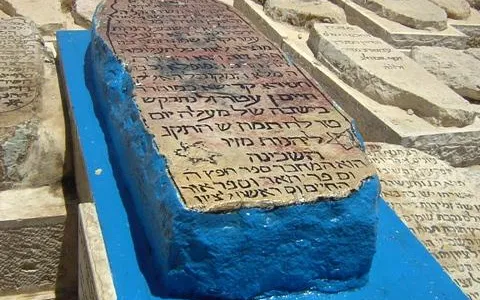
He died in Livorno, on a Friday night. In 1960 his remains were moved to Har HaMenuchot, in Jerusalem, on the 20th of Iyar 5720, one hundred and fifty-four years after his death, fulfilling his wish to return to the Land of Israel.
Frequently asked questions
What does Chida mean?
It is the acronym of Chaim Yosef David Azulai (חיד״א).
What is Shem HaGedolim?
A bibliographic dictionary of authors and rabbinic works.
Where is he buried?
In Har HaMenuchot, in Jerusalem, since 1960.
Sources
- Chaim Joseph David Azulai, reference article (English Wikipedia) and the sources it cites
- Cross-checking of dates and works: Kestenbaum catalogs; Breslev.com; DailyZohar