Rabbi Shalom Shabazi (1619–c. 1720): the great poet of Yemen
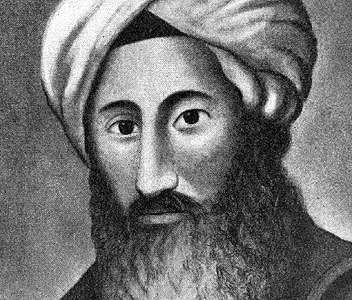
Rabbi Shalom Shabazi (שלום שבזי), also called Mashta, was a rabbi and poet of 17th-century Yemen, considered the great poet of the Yemenite Jews. He was born in 1619 and died around 1720. The source calls him, quoting another author, “the Shakespeare of Yemen”; this is a nickname, not a fact.
Quick facts
| Name | Rabbi Shalom ben Yosef Shabazi |
| Born | 1619, in Najd al-Walid or al-Sa’id (sources differ) |
| Died | Around 1720, in Taiz, at the foot of Mount Sabir |
| Work | The Diwan, with some five hundred and fifty surviving poems |
| Languages | Hebrew, Aramaic and Judeo-Arabic |
His life
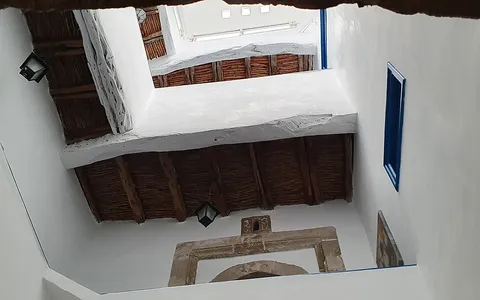
He said he descended from Zerach, son of Judah. His father, Yosef, was also a rabbi and poet; the source gives his full name in two ways. After his father’s death he moved to the small town of Shabaz, near Taiz. Later he settled in Taiz, where he built a house of prayer and a mikveh outside the city.
The Mawza exile
In 1679, he, his family and most of the Jews of Yemen were expelled, in the so-called Mawza exile, in which, according to the sources, about a fifth of the exiles died in the desert. His poetry was strongly marked by that exile, and he composed an elegy for Tisha B’Av that recalls that banishment.
His work
His surviving Diwan, of some five hundred and fifty poems, was published by the Ben-Zvi Institute in 1977. Other sources claim that he composed many more—some fifteen thousand liturgical poems, of which about eight hundred and fifty would survive—a figure that does not match the former and should be taken with caution. He wrote in Hebrew, Aramaic and Judeo-Arabic. His poems include eschatological visions of redemption and many express the hope of returning to Israel.
A treatise on Jewish astrology, a kabbalistic commentary on the Torah and Sefer HaMargalit are also attributed to him.
His grave
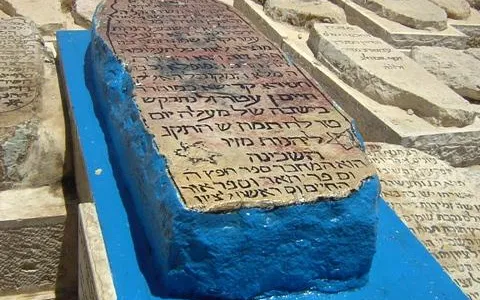
He died around 1720 and was buried in Taiz, at the foot of Mount Sabir. In the early 20th century his grave was a place of pilgrimage for Jews and Muslims, especially for those seeking healing. The source mentions that the government of Israel and the Chief Rabbinate sought to move his remains to Israel, news that comes from a 2023 article and may have changed.
Legacy
Several of his songs were performed by Israeli artists, such as Ofra Haza, and streets in Jerusalem, Tel Aviv and Rosh HaAyin bear his name.
Frequently asked questions
Who was Shabazi?
The great poet of the Jews of Yemen in the 17th century.
In what languages did he write?
In Hebrew, Aramaic and Judeo-Arabic.
Where is his grave?
In Taiz, in Yemen.
Sources
- Shalom Shabazi, reference article (English Wikipedia) and the sources it cites
- Cross-checking: Jewish Encyclopedia, “Shabbezi”; Jewish Refugees; DailyZohar