Rabbi Yisrael Salanter (1809–1883): biography and the mussar movement
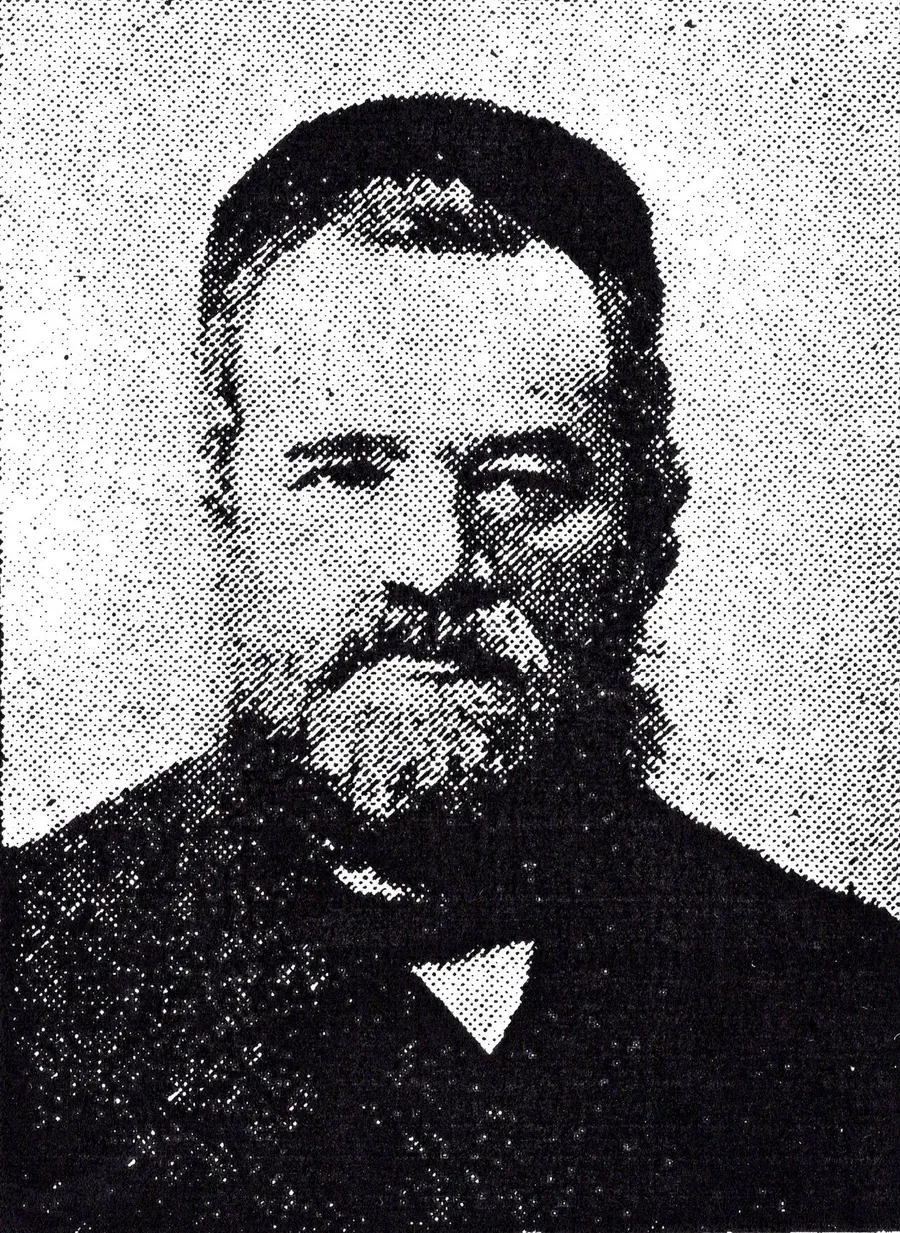
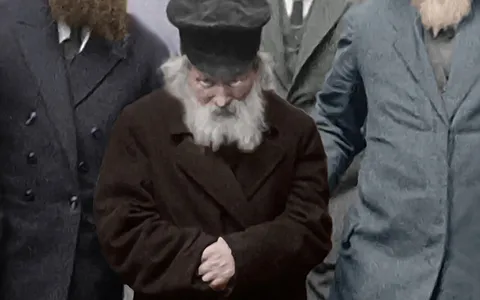
Rabbi Yisrael Lipkin (ישראל ליפקין), known as Yisrael Salanter, is considered the father of the mussar movement, the current of ethics and spiritual work that developed among the Lithuanian Jews of the 19th century. He was born on November 3, 1809 in Zhagory (Žagarė) and died on February 2, 1883 in Königsberg.
Quick facts
| Name | Rabbi Yisrael Lipkin, called Salanter after the town of Salant |
| Born | November 3, 1809 (one source gives 1810), in Zhagory |
| Died | February 2, 1883, in Königsberg |
| Teacher | Rabbi Yosef Zundel of Salant |
| Works | Iggeret HaMussar, Or Yisrael, Imrei Binah |
| Movement | Mussar |
Education and early years
He was the son of a rabbi, Zev Wolf, who served as a judge in Goldingen and Telz. As a child he studied with Rabbi Tzvi Hirsh Braude of Salant. After marrying Esther Fega Eisenstein in 1823, he settled in Salant and studied with Rabbi Zundel, a disciple of Rabbi Chaim of Volozhin; hence his nickname. Around 1833 he met Alexander Moshe Lapidos, who was his disciple and friend for life. Around 1842 he was head of the Meile yeshiva (Tomchei Torah) in Vilna; an incident over an appointment led him to found another in Zaretcha.
The cholera epidemic of 1848
During the epidemic he saw to it that the relief work necessary on Shabbat was done by Jews and not by non-Jews, maintaining that saving lives takes precedence over Shabbat. On Yom Kippur of that year, according to the source, he told Jews not to fast for reasons of health. These are emergency decisions cited by Goldberg and Etkes.
Vilna and Kovno
In 1848 he turned down a post at the rabbinical school of Vilna, created by the government, for fear that it would train “puppet” rabbis of the State, and left the city. In Kovno he founded a yeshiva centered on mussar at the Nevyozer Kloiz. To be able to travel outside the Pale of Settlement he obtained a permit as a master dyer. In 1857 he moved to Prussia and in 1861 founded the Hebrew journal Tevunah, which closed after three months for lack of subscribers. He lived in Memel, Königsberg and Berlin, and spent about two years in Paris organizing the community of Russian Jewish immigrants. He began a translation of the Talmud into Hebrew, which he did not finish.
Mussar
His central teaching is that obligations between people (bein adam lechavero) weigh as much as ritual ones. For him, ritual without good conduct toward others and toward oneself was a serious failing.
- Method: he proposed studying ethical teachings “with intense emotion” (limud hamussar behitpaalut): repeating a maxim forcefully until it takes root in the subconscious. He proposed a beit hamussar beside the study hall, so that no one would be embarrassed to study this way in public.
- Inner processes: his writings describe conscious and subconscious motivations, which some scholars interpret as an anticipation of Freud; this is an interpretation, not an established fact.
- The shoemaker: a popular anecdote tells that, on his way to selichot, his shoe broke and he came upon a shoemaker still working by candlelight, who told him that “as long as the candle burns, one can still repair.” It is a teaching anecdote, traditional rather than documented.
Works and disciples
- Iggeret HaMussar (1858): his best-known work.
- Imrei Binah (1878), Or Yisrael (1890), and Even Yisrael and Etz Peri, compiled by his disciples.
Among his disciples are Rabbi Naftali Amsterdam, Rabbi Yitzchak Blazer, Rabbi Eliezer Gordon, Rabbi Simcha Zissel Ziv and Rabbi Yosef Yozel Horowitz, and among laymen Kalman Zev Wissotzky. The source warns that this list lacks citations and that information about the non-rabbinic disciples is scarce. It does not claim that he founded the later mussar yeshivot: what it clearly attributes to him is the one in Kovno.
His grave
His grave was unknown for many years and was located in 2007 after long research.
Frequently asked questions
What is mussar?
A movement of ethics and work on character, centered on spiritual discipline.
Why is he called Salanter?
After Salant, the town where he settled after his marriage.
What is his best-known work?
The Iggeret HaMussar, published in 1858.
Sources
- Israel Salanter, reference article (English Wikipedia) and the sources it cites