Rabbi Moshe Chaim Luzzatto, the Ramchal (1707–1746): biography, works and legacy
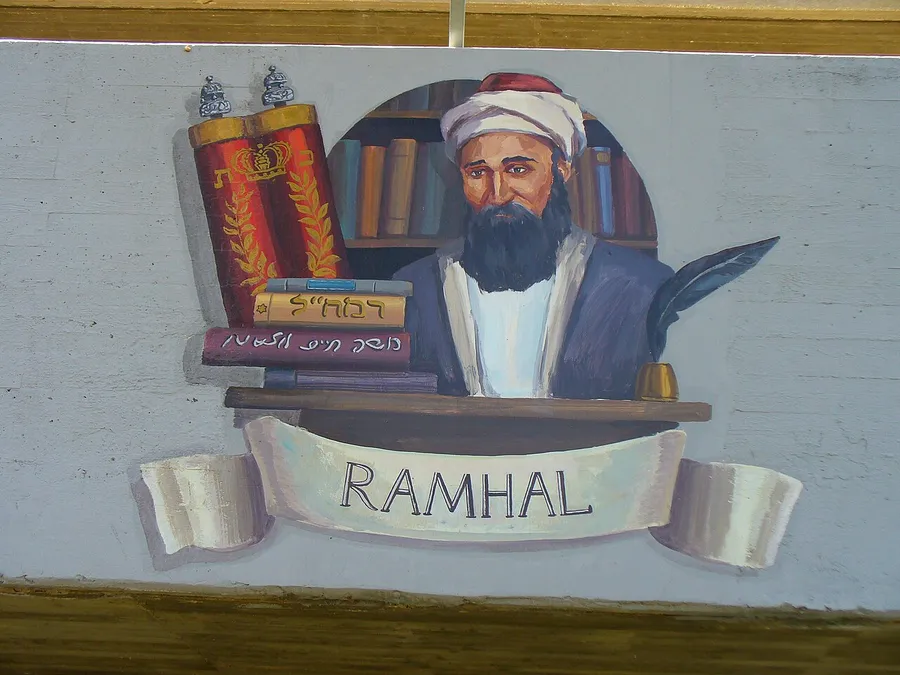
Rabbi Moshe Chaim Luzzatto (משה חיים לוצאטו), known by the acronym Ramchal (רמח״ל), was a kabbalist, poet, playwright and moralist. He was born in the ghetto of Padua, in 1707, and died in Acre, in 1746, at about thirty-eight or thirty-nine years of age. His work Mesillat Yesharim (“The Path of the Just”) has become one of the most widely read books of Jewish ethics of all time.
Quick facts
| Name | Rabbi Moshe Chaim Luzzatto (Moses Hayyim Luzzatto). Acronym: Ramchal |
| Born | 1707, in the ghetto of Padua, Republic of Venice |
| Parents | Yaakov Vita and Diamante Luzzatto |
| Died | 26 Iyar 5506 (May 16, 1746), in Acre |
| Main works | Mesillat Yesharim, Derech Hashem, Daat Tevunot |
Youth in Padua
He received a classical Jewish and Italian education and showed an interest in literature from childhood. He studied Tanakh, Talmud, commentaries, codes of Halacha and Kabbalah. It is not known for certain whether he attended the University of Padua, but he was part of a group of students interested in Jewish mysticism and in alchemy, of which he was soon the dominant figure. Among his teachers were Rabbi Yitzchak Chaim Cantarini, to whom he dedicated an elegy of twenty-four lines, and Rabbi Yeshayahu Bassani (or Basan).
A young poet
Before the age of twenty he had begun some one hundred and fifty hymns in imitation of the Psalms, of which only two are known. At seventeen he wrote a biblical drama, Shimshon uFelishtim (around 1724), of which fragments have survived. In 1727 Lashon Limudim, on Hebrew style and versification, was printed in Mantua, and soon after he composed Migdal Oz, an allegorical drama for a friend’s wedding. The writers of the Haskalah admired him for this work, and regarded him as one of the founders of modern Hebrew literature.
The maggid and the controversy
Around the age of twenty he claimed to have received teachings from an angel (maggid). This kind of claim was not unknown in Kabbalah, but it was unusual in someone so young, and it aroused the suspicion of the rabbis of Italy. His writings were linked to the messianic movement of Shabbetai Tzvi, and excommunication was even threatened. A rumor even spread that he had written a new psalter to replace the Psalms in the messianic age, which he and Bassani denied.
The result was an agreement: he undertook not to write down the maggid’s teachings, not to teach Kabbalah and to hand over his writings to Bassani. Some modern scholars have read his activity in a messianic key, but that interpretation is disputed.
Amsterdam
Around 1735 he left Italy in search of a more open environment. On the way he asked rabbis in Germany for protection, who refused it and made him sign a declaration acknowledging the falsity of the maggid’s teachings. The dispute was revived when it was rumored that Bassani had returned some of his writings to him. Rabbi Moshe Hagiz, his greatest opponent, wrote harshly against him and called for his writings to be burned; some of them were buried and burned.
In Amsterdam, where he lived approximately between 1736 and 1743, he earned his living by a manual trade (the sources describe it as polishing diamonds or lenses). He went on studying and writing, but refused to teach. There he wrote his best-known works.
His works
- Mesillat Yesharim (“The Path of the Just”): his best-known work of ethics, written around 1738 and published in Amsterdam in 1740. It has its own article.
- Derech Hashem (“The Way of G-d”): a systematic treatment of Jewish theology and its foundations, which came to be regarded as a standard guide.
- Daat Tevunot: a work on reason, Kabbalah and talmudic logic.
- Shivim Tikkunim: resurfaced in 1958 in the Bodleian Library.
Much of his writing was destroyed, so the known list is incomplete.
Acre and death
In 1743, frustrated at being unable to teach Kabbalah, he moved to Acre, in the Land of Israel. He died there in 1746. The sources consulted say that he and his family died in an epidemic, but they do not cite the source for that fact, so it should be taken with caution.
The place of his grave
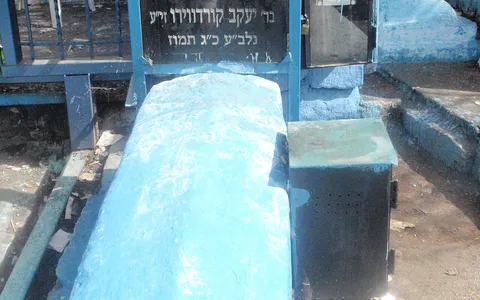
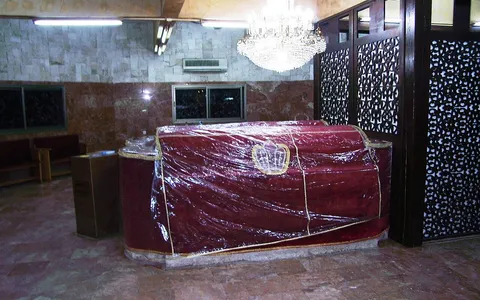
It is not known for certain where he is buried. One tradition places him near Rabbi Akiva, in Tiberias, but that tombstone is more likely considered a cenotaph. Other scholars identify a grave in the Jewish cemetery of Kafr Yasif.
Legacy
A century after his death, the mussar movement adopted his work: Rabbi Yisrael Salanter placed Mesillat Yesharim at the center of the curriculum of the yeshivot of Eastern Europe. He has sometimes been compared with Rabbi Akiva, and some claimed he was his reincarnation; these are unverified claims.
Timeline
| Date | Event |
|---|---|
| 1707 | Born in Padua |
| c. 1724 | At seventeen he writes Shimshon uFelishtim |
| 1727 | Lashon Limudim is printed in Mantua |
| c. 1735–1736 | Leaves Italy for Amsterdam |
| 1740 | Mesillat Yesharim is published in Amsterdam |
| 1743 | Moves to Acre |
| 1746 | Dies in Acre, on 26 Iyar |
Frequently asked questions
What does Ramchal mean?
It is the acronym of Rabbi Moshe Chaim Luzzatto (רמח״ל).
Why was he controversial?
Because he claimed to receive teachings from an angel and his writings were suspected of having messianic tendencies related to Shabbetai Tzvi. He accepted restrictions, although the dispute continued.
Why did he go to Acre?
According to the sources, out of frustration at being unable to teach Kabbalah in Amsterdam.
What is Mesillat Yesharim?
The most widely circulated book of ethics he left. It proposes a gradual path of nine stages toward holiness.
Sources
- Moshe Chaim Luzzatto, reference article (English Wikipedia) and the sources it cites
- Mesillat Yesharim, reference article (English Wikipedia)