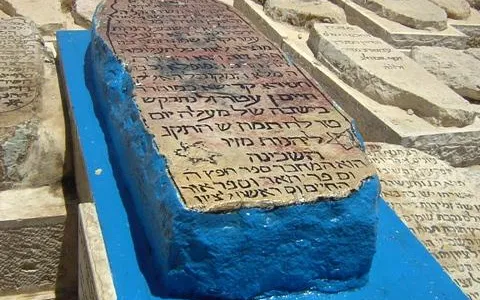
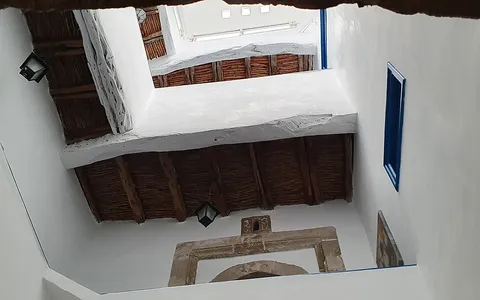
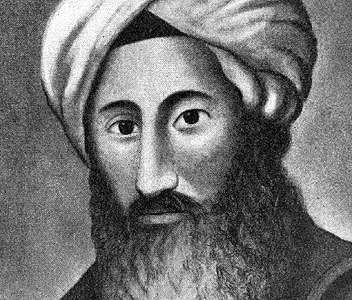
The Rashash, Rabbi Shalom Sharabi (c. 1720–1777): biography and Lurianic Kabbalah
Rabbi Shalom Sharabi (שלום שרעבי), the Rashash, was one of the great kabbalists of Jerusalem in the 18th century. He was born around 1720 in Sharab, in Yemen, and died in Jerusalem on January 18, 1777. He was head of the Beit El yeshiva and a major figure of Lurianic Kabbalah.
Quick facts
| Name | Rabbi Shalom Sharabi. Acronym: Rashash |
| Born | Around 1720, in Sharab, Yemen |
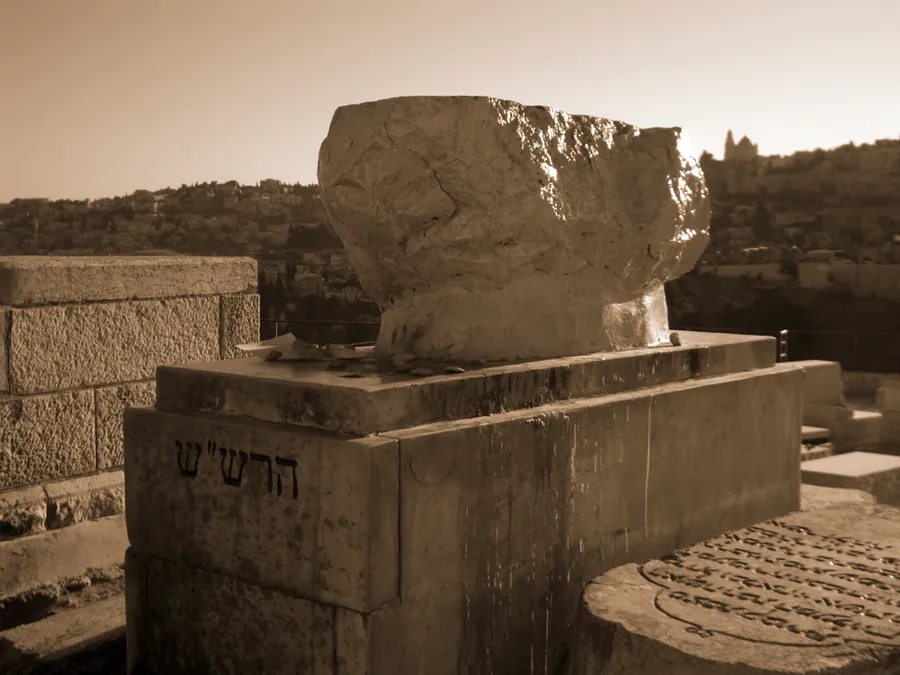
| Died | January 18, 1777, in Jerusalem; buried on the Mount of Olives |
| Institution | The Beit El yeshiva of Jerusalem (head between 1750 and 1777) |
| Works | Nahar Shalom, Emet VeShalom, Rechovot HaNahar, Siddur HaKavanot |
From Yemen to Jerusalem
He left Yemen for Jerusalem, then Ottoman, in fulfillment of a vow. On the way he passed through India, Baghdad and Damascus; in Damascus he took part in a halachic discussion on the minimum size of the matzah to be eaten at the Seder.
The Beit El yeshiva
In Jerusalem he joined the group of twelve kabbalists of the Beit El yeshiva, among them Rabbi Chaim Yosef David Azulai (the Chida) and Rabbi Yom Tov Algazi. He remained there until his death and came to head it. He followed the teachings of the Arizal and is regarded as a great renewer within Lurianic Kabbalah. See the biography of the Arizal.
His works
- Nahar Shalom: answers seventy questions from the rabbis of Tunis.
- Emet VeShalom, Rechovot HaNahar and Derech Shalom.
- Minhagei HaRashash: on Yemenite (Shami) customs, with his halachic interpretations.
- Siddur HaKavanot: the kabbalistic prayer book, widely used among kabbalists.
Family and burial
His daughter married Rabbi Chaim Abraham Gagin; his son was Rabbi Yitzchak Mizrachi Sharabi, and his grandson, the Chief Rabbi Chaim Abraham Gagin. He is buried on the Mount of Olives, and members of Beit El prostrate themselves on his grave on his anniversary.
Unverified traditions
Tradition tells that a miracle allowed him to leave Yemen and that, in Beit El, he worked as a servant and hid his learning until his mastery of Kabbalah was discovered. Also that the prophet Eliyahu appeared to him and that he was regarded as a reincarnation of the Arizal. The source warns that these stories have no independent support, and the same holds for the attribution, resting on a single 2004 book, of a miracle that supposedly opened the Western Wall to Jews.
Frequently asked questions
What does Rashash mean?
It is the acronym of Rabbi Shalom Sharabi (הרש״ש).
What is the Beit El yeshiva?
A yeshiva of kabbalists in Jerusalem, founded in the 18th century, which he came to head.
Where is he buried?
On the Mount of Olives, in Jerusalem.
Sources
- Shalom Sharabi, reference article (English Wikipedia) and the sources it cites