Rabbi Yehuda Halevi (c. 1075–1141): biography, poetry and the Kuzari
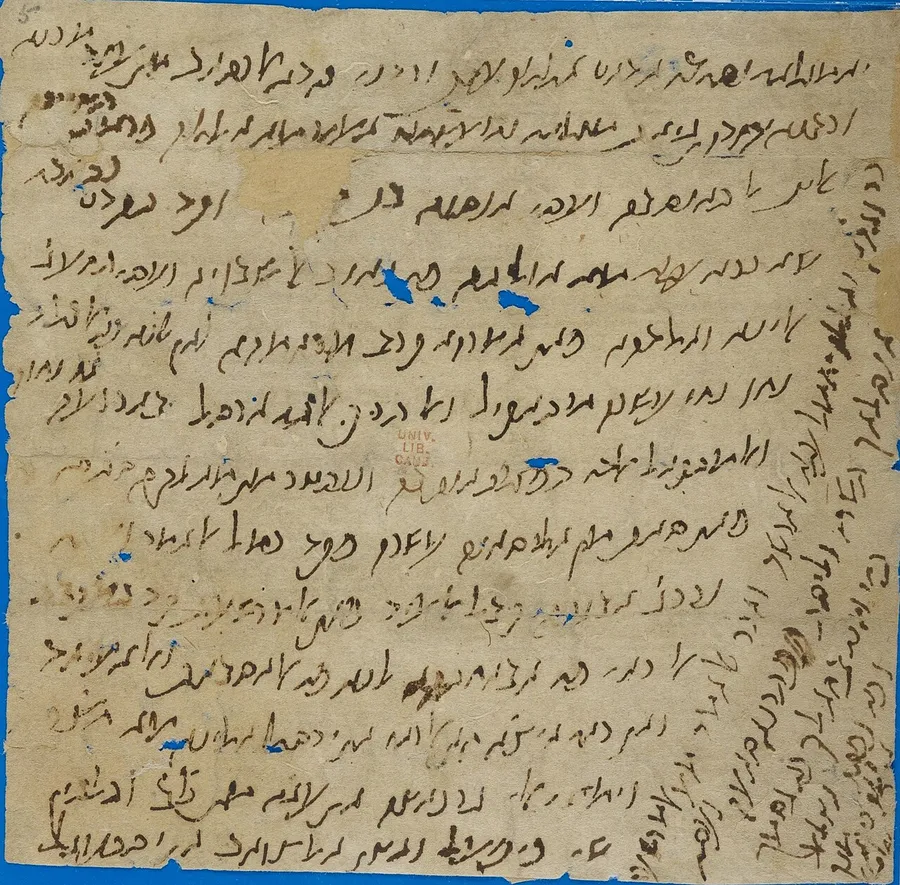
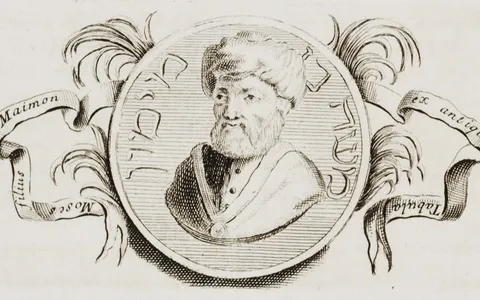
Rabbi Yehuda ben Shmuel Halevi (יהודה הלוי) was a poet, physician and philosopher of medieval Sepharad, and one of the great poets in the Hebrew language. He was born around 1075, in Toledo or in Tudela, and died in 1141, apparently on his way to the Land of Israel. He is the author of the Kuzari and of the Songs of Zion.
Quick facts
| Name | Rabbi Yehuda ben Shmuel Halevi |
| Born | Around 1075–1080, in Toledo or Tudela |
| Died | 1141, perhaps in Jerusalem (the place is uncertain) |
| Occupation | Poet, physician and philosopher |
| Works | The Kuzari and some eight hundred known poems |
| Friend | Rabbi Abraham ibn Ezra |
Youth and education
Little is known of his youth. He probably studied Tanakh, Talmud, Arabic and the sciences, including medicine, mathematics and philosophy. As a young man he traveled to Granada, then the main center of Jewish literary life, and composed there a poem in imitation of Rabbi Moshe ibn Ezra for a contest, which brought him fame. As an adult he was a physician and took part in trade and in the affairs of the community; in Toledo he supported himself by his medical practice.
Friendship with Ibn Ezra
Rabbi Abraham ibn Ezra was a close friend, from the Granada period, and cites HaLevi several times in his Bible commentary. A tradition says that HaLevi’s daughter, also a poet, married Yitzchak, Ibn Ezra’s son. See the biography of Ibn Ezra.
His poetry
Some eight hundred poems are known: of praise, friendship, elegy, love, wine, riddles and weddings, and the ones of longing for the Land of Israel. He used forms of Arabic origin, such as the muwashshah and the zajal.
- Libi baMizrach (“My heart is in the East”): contrasts Spain, the West, with the Land of Israel, the East.
- Tziyon halo tishali (“Zion, will you not ask?”): laments the destruction of the Temple and expresses hope for redemption. It is part of the liturgy and is recited on Tisha B’Av.
His contemporaries and later generations called him “the great Jewish national poet.” He is also the most prolific Hebrew author of riddles, with at least sixty-seven known.
The Kuzari
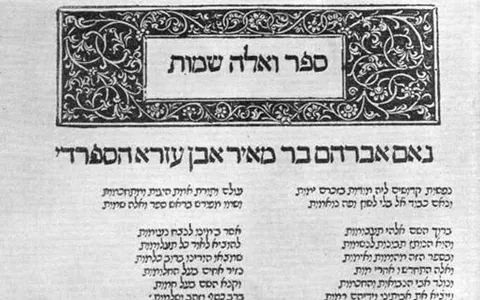
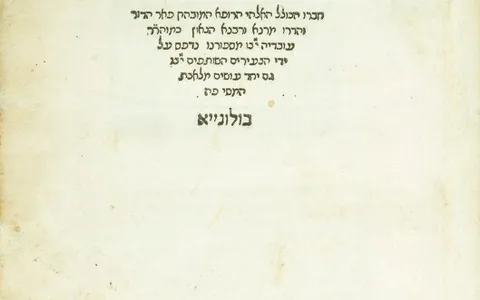
The work, originally written in Arabic, is a fictional dialogue between the king of the Khazars and a philosopher, a Christian, a Muslim and a rabbi. The king evaluates each position and embraces Judaism. It defends revealed religion against Aristotelian philosophy, Christianity and Islam, and holds that one reaches G-d through tradition and devotion more than through philosophical speculation, and that G-d, the people of Israel and the Land of Israel are inseparably united. Rabbi Yehuda ibn Tibbon translated it into Hebrew in the mid-12th century.
The journey to the Land of Israel
Although he was honored in al-Andalus, he decided, already old, to leave Sepharad for the Holy Land. The source attributes his decision to religious passion, although the insecurity of the Jews in the time of the Reconquista may also have played a part. He reached Alexandria on September 8, 1140, where he was received with enthusiasm, and visited Cairo. His ship left Egypt on May 14, 1141.
It is not known whether he reached Jerusalem or died in Egypt: it is “reasonably assumed” that he reached the Land of Israel, but this is not confirmed.
Legends
A tradition tells that he was trampled by an Arab horseman at the gates of Jerusalem while reciting his Ode to Zion. The first account appears some four hundred and fifty years after his presumed death, and it is a legend. Another tradition places his tomb and that of Ibn Ezra in Kabul, in the Galilee, without firm foundation.
Frequently asked questions
What is the Kuzari?
A philosophical work in the form of a dialogue with the king of the Khazars, defending Judaism against other positions.
Where did he die?
It is not known with certainty: Jerusalem, Egypt or during the journey.
Was he a physician?
Yes. He practiced medicine in Toledo.