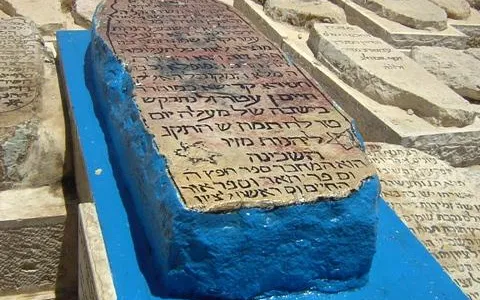
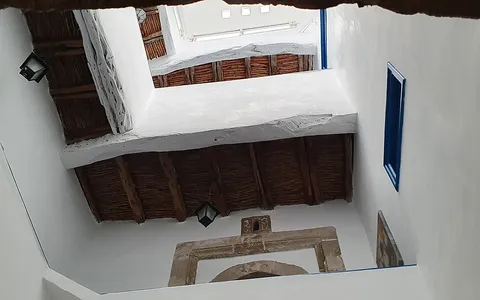
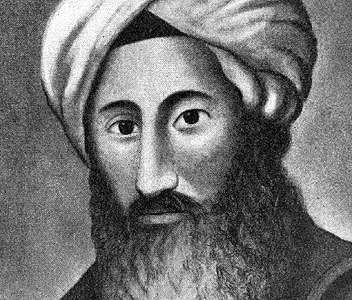
Rabbi Yosef Chaim of Baghdad, the Ben Ish Chai (1835–1909): biography and works
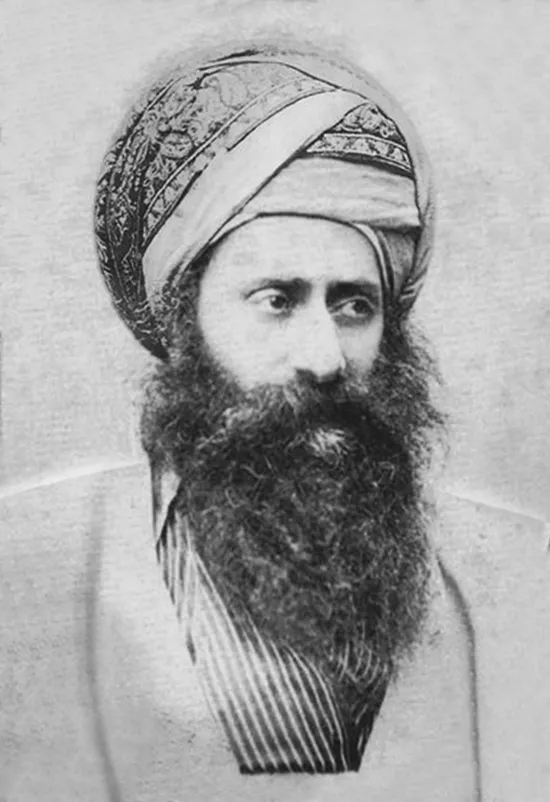
Rabbi Yosef Chaim (יוסף חיים) of Baghdad, known by the title of his most famous work, the Ben Ish Chai, was the great teacher of the Jews of Iraq and a point of reference for Sephardim and Easterners in general. He was born in Baghdad on September 1, 1835 (other sources give 1832 or 1834) and died on August 30, 1909.
Quick facts
| Name | Rabbi Yosef Chaim of Baghdad. Known by his work, the Ben Ish Chai |
| Born | 1835 (sources give 1832, 1834 and 1835), in Baghdad |
| Died | August 30, 1909 |
| Position | Rabbinic authority of Baghdad; never the official Chacham Bashi |
| Works | Ben Ish Chai, Rav Pealim, Ben Yehoyada, Torah Lishmah |
Education
He first studied in his father’s library. Around the age of ten he left the beit midrash to study with his uncle, Rabbi David Chai ben Meir, who later founded the Shoshanim LeDavid yeshiva in Jerusalem. In 1851 he married Rachel, a niece of Rabbi Abdallah Somekh, whom the source calls his “main mentor.” They had one daughter and two sons. His father died when he was about twenty-five.
The authority of Baghdad
After his father’s death, and despite his youth, the Jews of Baghdad accepted him as their principal rabbinic sage. He did not hold the official office of Chacham Bashi. The Sephardic yeshiva Porat Yosef in Jerusalem was founded on his advice by Yosef Shalom of Calcutta, one of his patrons.
His works
- Ben Ish Chai: a halachic guide arranged by the weekly Torah portion, combining daily law, mystical teachings and customs. It is based on talks he gave over two years and is widely used in Sephardic homes and yeshivot.
- Ben Yehoyada and Benayahu: commentaries on the Talmud, valued for understanding the Aggadah.
- Rav Pealim and Torah Lishmah: responsa.
- Mekabtziel: an esoteric explanation of the reasons for his rulings; the source speculates that his insistence on printing it in the Jerusalem district may have prevented its publication.
- Qanun al-Nisa: a book of self-improvement parables, in Judeo-Baghdadi Arabic.
He wrote more than thirty works, and many prayer books of the Iraqi rite are based on his rulings.
His style
His weekly talks on Halacha began with a mystical exposition and ended with definitive rulings. He was known for parables and stories, some of them published separately as an alternative to the secular literature of European influence.
Kabbalah
He is described as a great kabbalist, and his kabbalistic reading of the law is central to his style. He confronted the German reformer Jacob Obermeyer, who was in Baghdad between 1869 and 1880, and excommunicated him; a dispute over the Zohar was part of the conflict.
Legends and uncertainties
He claimed to be the reincarnation of Benayahu ben Yehoyada, and gave several works names taken from 2 Samuel 23:20. The source reports this as his own claim, not as a fact. The remaining details have few citations, so they should be cross-checked.
Frequently asked questions
Why is he called the Ben Ish Chai?
After the title of his best-known work, taken from 2 Samuel 23:20.
What is the Ben Ish Chai?
A guide to Halacha and customs arranged by the weekly Torah portion.
Was he a kabbalist?
Yes, and that side of him is central to his style.
Sources
- Yosef Hayyim, reference article (English Wikipedia) and the sources it cites