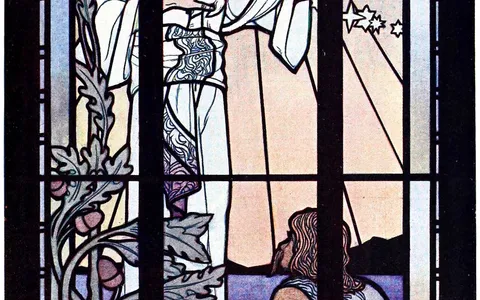
Rabban Yochanan ben Zakkai: biography, Yavne and the rebuilding after the Temple
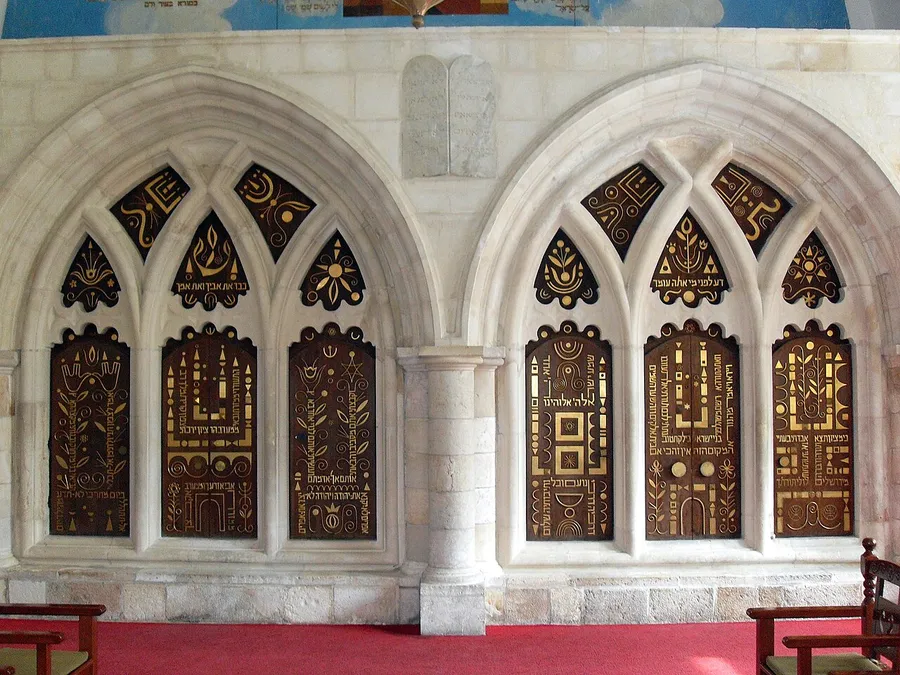
Rabban Yochanan ben Zakkai (רבן יוחנן בן זכאי) was one of the great sages of the end of the Second Temple period. He is the man who, according to tradition, saved the study of the Torah after the destruction of Jerusalem in the year 70 by founding the academy of Yavne. He is the first sage whom the Mishnah calls “Rabbi.”
Quick facts
| Name | Rabban Yochanan ben Zakkai |
| Period | 1st century; av beit din around 40–80 and nasi between 70 and 80 |
| Teachers | Hillel and Shammai, according to the Talmud |
| Center | Yavne, after the destruction of the Temple |
| Successor | Rabban Gamliel II |
| Burial | Tiberias, according to tradition |
Education
The Talmud counts him among the eighty disciples of Hillel and Shammai. He is described as devoted to the study of the Torah. In the mid-1st century he opposed the legal interpretations of the Sadducees. He lived eighteen years in Arav, in Galilee, where he criticized the Galileans’ attitude toward the Torah. Tradition credits him with a life of one hundred and twenty years; these are hagiographic accounts, not documented biography.
The siege and the flight
During the siege of Jerusalem, in the year 70, he argued for peace. The Talmud (Gittin 56a) tells that he left the city in a coffin with the help of his nephew, the Zealot leader Ben Batiach, and that he predicted that Vespasian would be emperor and that the Temple would be destroyed.
The accounts differ: in Gittin, Vespasian grants him three wishes (the survival of Yavne and its sages, the protection of the descendants of Gamliel and a physician for Rabbi Tzadok); in Avot deRabbi Natan, version B, the coffin is carried by Rabbi Eliezer and Rabbi Yehoshua, and the only wish is Yavne. The flight in a coffin, the prophecy and the miraculous details are read as legendary and edifying accounts, without independent corroboration.
Yavne
After the destruction, he moved his school to Yavne. The sources present it as a re-founded Sanhedrin. According to the source, he helped Judaism replace sacrifices with prayer, relying on Hosea 6:6 and Avot 4. In his last years he taught in Bror Chayil, near Yavne.
His enactments (takkanot)
The source lists nine, citing Rosh Hashanah 31b. The clearest are:
- The shofar is sounded in the court on Rosh Hashanah when it falls on Shabbat.
- The Four Species are held throughout Sukkot.
- New grain (chadash) is forbidden throughout the day of the Omer.
- The witnesses of the new moon are accepted throughout the day.
- The witnesses of the new moon go only to the meeting place and do not follow the nasi.
Teachings
- He urged planting a sapling even if the Messiah arrives.
- He warned against taking credit for studying the Torah, because that is what man was created for.
- He taught that Job’s piety was born of fear of G-d and not of love (Sotah 5:5).
His last words
His last words, recorded in Berachot 28b, asked his disciples to remove the vessels in order to avoid the impurity of a corpse, and alluded enigmatically to preparing a throne for Hezekiah.
His burial
According to tradition he is buried in Tiberias, in what is today the compound of the Rambam. He was succeeded as nasi by Rabban Gamliel II.
Frequently asked questions
Why is Yavne important?
Because there the study of the Torah was reorganized after the destruction of the Temple.
How did he escape from Jerusalem?
According to the Talmud, in a coffin. The account is considered legendary.
Was he a disciple of Hillel?
Yes, according to the Talmud: see the biography of Hillel.
Sources
- Yochanan ben Zakai, reference article (English Wikipedia) and the sources it cites
- Babylonian Talmud, Gittin 56a–b; Rosh Hashanah 31b