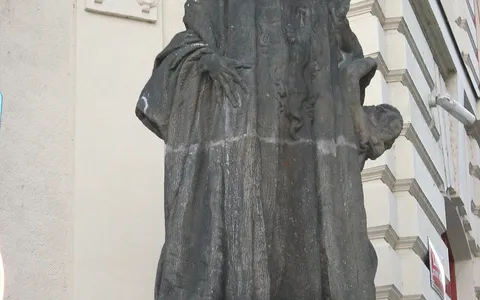
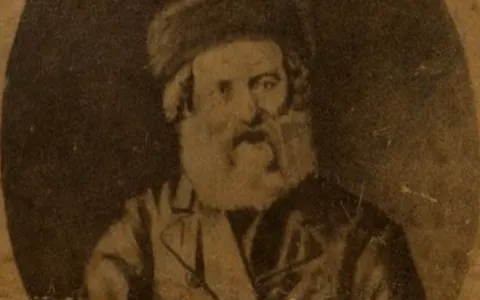
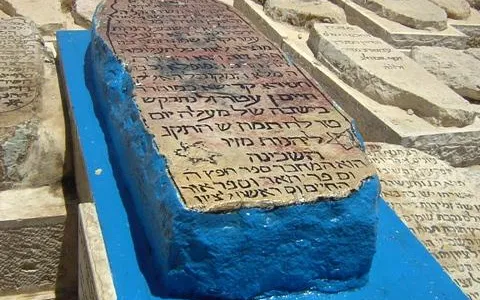
The Alshich, Rabbi Moshe Alshich (c. 1508–1593): biography and Torat Moshe
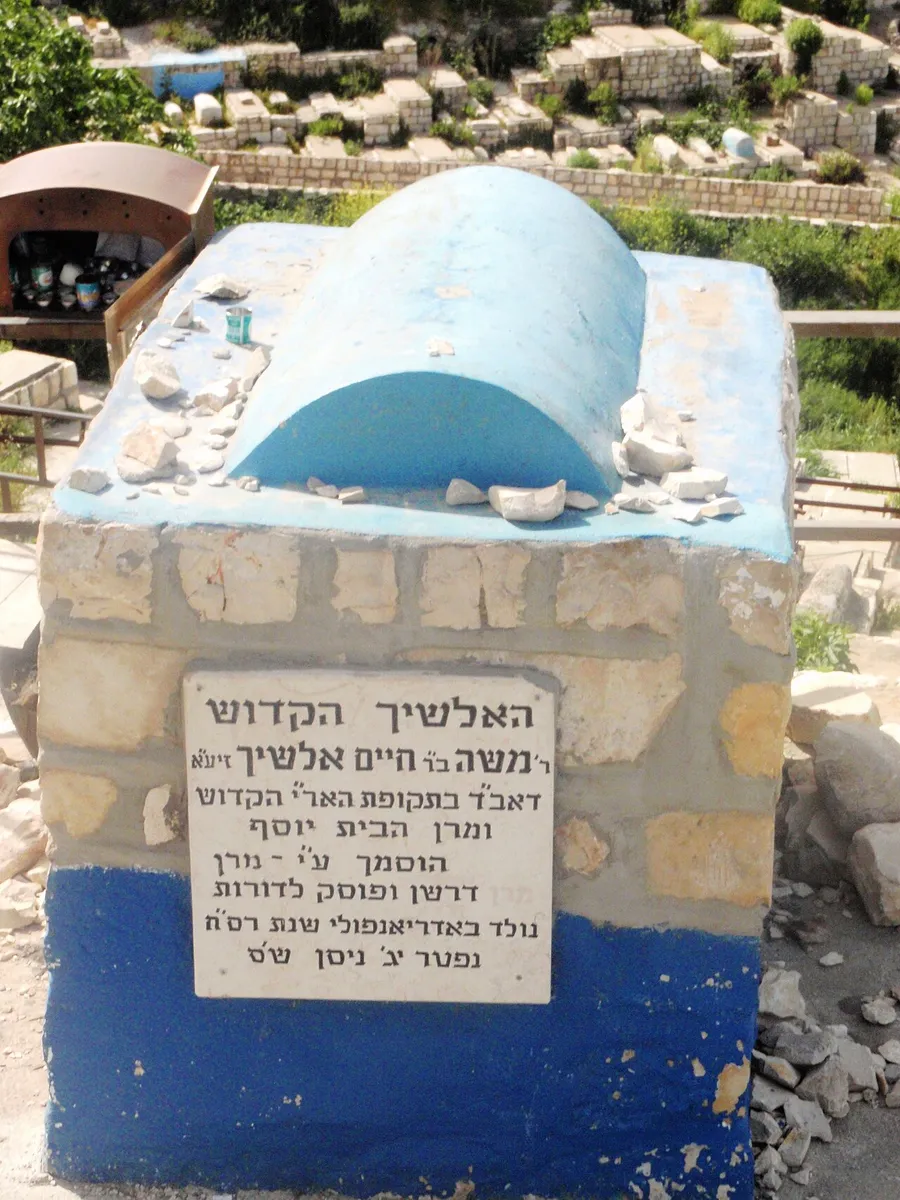
Rabbi Moshe Alshich (משה אלשיך), called the Alshich HaKadosh (“the holy Alshich”), was a preacher, Torah commentator and halachic decisor in 16th-century Safed. He was born around 1508 in Adrianople and died in Safed in 1593. He was Rabbi Chaim Vital’s teacher of Talmud and gave him rabbinic ordination.
Quick facts
| Name | Rabbi Moshe ben Chaim Alshich |
| Born | Around 1508, in Adrianople (Edirne) |
| Died | 1593, in Safed; buried in the old cemetery |
| Teachers | Rabbi Yosef Taitazak and Rabbi Yosef Karo, in Salonica |
| Disciples | Rabbi Chaim Vital and Rabbi Yom Tov Zahalon |
| Main work | Torat Moshe |
Education and Safed
He studied in Salonica with Rabbi Yosef Taitazak and with Rabbi Yosef Karo, exiles from Spain. He followed Karo to Safed and taught there. The source notes that he belonged to the circle of the city’s kabbalists, although his writings rarely show kabbalistic content: he is remembered as a teacher, preacher and decisor. One source records that in 1587 he left Safed because of a great epidemic and moved to Damascus.
The ordination
The sources disagree. Some say Rabbi Yosef Karo ordained him; the Wikipedia biography of Karo says that Karo tried to ordain him but ended up withdrawing; and an auction catalog states that he was ordained by the Ramak, a version found only there. What is recorded is that he ordained Rabbi Chaim Vital, on the 20th of Elul 5350 (1590): see his biography and that of Rabbi Yosef Karo.
A preacher
He gave weekly Shabbat lectures on the Torah portion before large crowds. Tradition tells that he only began to prepare his sermons a few hours before the start of Shabbat. He later published them as commentaries, in part because others repeated his lessons as their own. His style is homiletic and allegorical: he poses the questions in advance, summarizes his opinion and then answers each one. He exhorts to repentance, to trust in G-d and to moderation in the pleasures of the world.
His works
- Torat Moshe: a commentary on the Pentateuch, printed around 1593 near Constantinople and completed in Venice in 1601.
- Commentaries on the Prophets, among them Marot HaTzovot.
- Commentaries on the Writings: Romemot El (Psalms), Rav Peninim (Proverbs), Chelkat Mechokek (Job), Shoshanat HaAmakim (Song of Songs), Einei Moshe (Ruth), Devarim Nechumim (Lamentations), Devarim Tovim (Ecclesiastes) and Masat Moshe (Esther). Also HaBatzelet HaSharon, on Daniel.
- Responsa, a poem and a commentary on the Haggadah, which was probably compiled after his death.
At Karo’s request he wrote a statement against the Me’or Einayim of Azariah dei Rossi.
His burial
He is buried in the old cemetery of Safed, next to the Arizal, Alkabetz, Cordovero and Karo.
Frequently asked questions
Who was his best-known disciple?
Rabbi Chaim Vital.
Why is he called “HaKadosh”?
The source lists several proposed reasons, but does not identify a definitive one.
What is his main work?
Torat Moshe, a Torah commentary that grew out of his sermons.
Sources
- Moshe Alshich, reference article (English Wikipedia) and the sources it cites
- Cross-checking: Sefaria; Chabad.org; Breslev.com; Kedem catalog
- Biography “Rabbi Chaim Vital (1542–1620)” in The Gates of Holiness, Ancient Gate Press, 2026