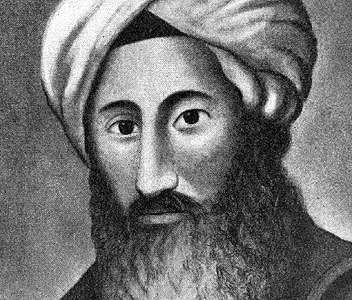
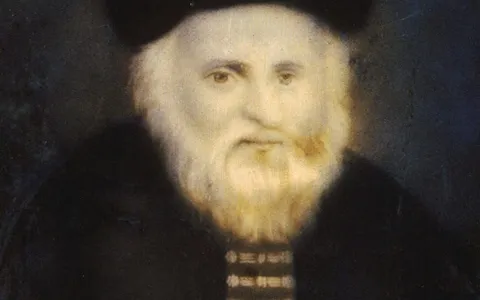
Rabbi Yosef Karo (1488–1575): biography, Shulchan Aruch and Maggid Meisharim
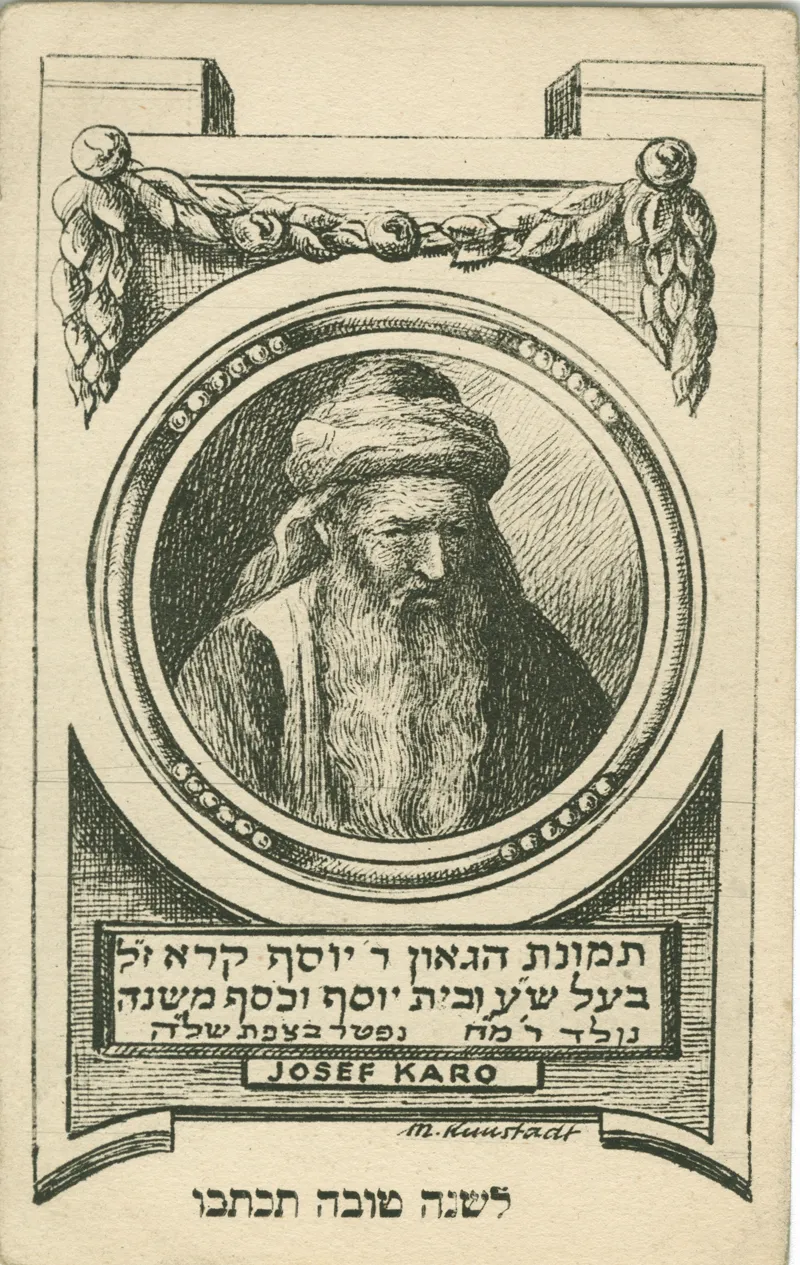
Rabbi Yosef Karo (יוסף קארו) is the author of the Shulchan Aruch, the standard code of Jewish law since the 16th century. He was born in Toledo in 1488 and died in Safed on the 13th of Nisan 5335 (March 24, 1575). Besides being a great jurist he was a mystic: his diary Maggid Meisharim records the nightly visits of a heavenly voice over fifty years.
Quick facts
| Name | Rabbi Yosef ben Ephraim Karo |
| Born | 1488, in Toledo |
| Died | 13 Nisan 5335 (March 24, 1575), in Safed |
| Works | Beit Yosef, Shulchan Aruch, Kesef Mishneh, Maggid Meisharim |
| Burial | Old cemetery of Safed |
From Toledo to Safed
He left Spain with his family in the expulsion of 1492, when he was about four years old, and settled in Portugal. After the expulsion from Portugal, in 1497, the family passed through Morocco to Nicopolis, by then Ottoman. His father, a talmudist, gave him his first teaching; at his death his uncle Yitzchak adopted him. He married twice, both times to daughters of talmudists.
He lived in Adrianople between 1520 and 1522, passed through Salonica (1533) and Istanbul, and reached Safed around 1535, by way of Egypt.
Safed
He joined the court of Rabbi Yaakov Berav and supported his project of restoring rabbinic ordination (semichah). He ordained some sages and, after Berav’s death, headed the court of Safed together with Rabbi Moshe di Trani. He also headed a yeshiva with more than two hundred students. He gave up ordination when he failed to ordain Rabbi Moshe Alshich.
His court was the leading one of Judaism in the region and in a good part of the diaspora.
His works
- Beit Yosef: a commentary on the Arbaah Turim.
- Shulchan Aruch: a condensation of the Beit Yosef, finished in 1555 and published in four parts in 1565.
- Kesef Mishneh: a commentary on Maimonides’ Mishneh Torah, written in Nicopolis and published in Venice in 1574–1575.
- Posthumous: Bedek HaBayit, Kelalei HaTalmud, Avkat Rochel (responsa), Maggid Meisharim and Derashot.
Maggid Meisharim
It is a mystical diary that he kept for fifty years, with the nightly visits of a heavenly mentor, personified as the Mishnah, who urged him to uprightness, to the study of Kabbalah and to moral reform. Rabbi Chaim Yosef David Azulai observed that only a fiftieth part of the manuscript was published.
The night of Shavuot
Rabbi Shlomo Alkabetz, who accompanied him, narrates a night of Shavuot in which, following the Zohar’s custom of reading biblical passages on that night, Karo and he stayed awake reading. Karo had a mystical experience in which the Shechinah, in the form of a maggid, urged them to move to the Land of Israel. Alkabetz recorded the episode in the introduction to Maggid Meisharim. See the biography of Alkabetz.
His authority
His prestige in his last thirty years was greater than that of almost any rabbi since Maimonides. His name heads a ban against Daud, an agent of Yosef Nasi. He commissioned a decree against the Me’or Einayim of Azariah dei Rossi, but died before signing it, and it was not promulgated.
He was buried in the old cemetery of Safed, next to the Arizal, Rabbi Moshe Alshich, Alkabetz and the Ramak.
Timeline
| Date | Event |
|---|---|
| 1488 | Born in Toledo |
| 1492 | Expulsion from Spain; the family settles in Portugal |
| 1497 | Expulsion from Portugal; journey to Nicopolis |
| 1520–1522 | Lives in Adrianople |
| c. 1535 | Arrives in Safed |
| 1555 | Finishes the Shulchan Aruch |
| 1565 | The Shulchan Aruch is published |
| 1575 | Dies in Safed, on 13 Nisan |
Frequently asked questions
What is the Shulchan Aruch?
A code of Jewish law, derived from his Beit Yosef, that became the standard authority.
Was he also a kabbalist?
Yes. His diary Maggid Meisharim is a mystical text, and he was part of the kabbalistic circle of Safed.
Who added the Ashkenazi glosses?
Rabbi Moshe Isserles, the Rema, of Kraków, with his glosses on the text, which adapted the code to Ashkenazi customs.
Sources
- Joseph Karo, reference article (English Wikipedia) and the sources it cites
- Solomon Alkabetz, reference article (English Wikipedia)