Rabbi Moshe de León (c. 1240–1305): biography and the Zohar
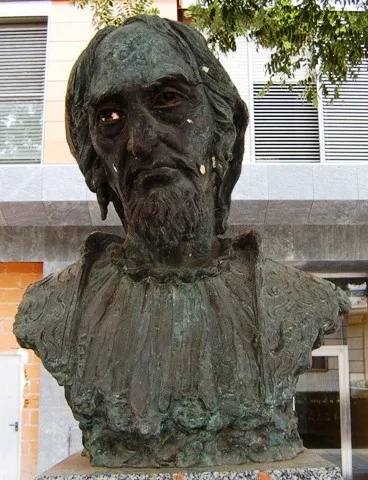
Rabbi Moshe ben Shem Tov de León (משה בן שם־טוב די־ליאון) was a Castilian rabbi and kabbalist who made the Zohar known. He was born around 1240 in León (perhaps in Guadalajara) and died in 1305 in Arévalo, on his way home. Modern scholarship considers him the author of the Zohar, contrary to his own claim and to tradition.
Quick facts
| Name | Rabbi Moshe ben Shem Tov de León |
| Born | Around 1240, in León (perhaps in Guadalajara) |
| Died | 1305, in Arévalo |
| Residence | About thirty years in Guadalajara and Valladolid; afterward, in Ávila |
| Work | Sefer HaRimon and the Zohar (disputed) |
His life
He spent some thirty years in Guadalajara and Valladolid before moving to Ávila, where he spent the rest of his life. The source gives no dates for those moves. His surname probably comes from his father, Shem Tov de León. Other facts about his family are unknown.
His works
He wrote in Hebrew the Sefer HaRimon, and hundreds of responsa, commentaries and kabbalistic treatises which he falsely attributed to earlier authorities. He was the first to propose a kabbalistic theory of biblical exegesis, which adapted the medieval Christian scheme of four senses (Peshat, Remez, Derash and Sod): hence the term Pardes.
Moshe de León and the Zohar
He is credited with having made the Zohar known. He claimed to have copied it from an ancient manuscript of Rabbi Shimon bar Yochai. Modern scholars believe that the Zohar is his work, and the source presents this as a debate against his own claim. Most research dates it to around 1280–1286. See the guide to the Zohar and the biography of the Rashbi.
Doubts and uncertainties
- Place of birth: León or, possibly, Guadalajara.
- Year of birth: the text says c. 1240, but the source’s categories say 1250.
- Authorship of the Zohar: the majority academic opinion attributes it to him; tradition, to Rabbi Shimon bar Yochai.
Frequently asked questions
Did he write the Zohar?
According to most scholars, yes. He himself claimed to have copied it from an ancient manuscript.
Where did he die?
In Arévalo, in 1305.
Sources
- Moses de León, reference article (English Wikipedia) and the sources it cites
- Zohar, reference article (English Wikipedia)