Rabbi Shlomo HaLevi Alkabetz (c. 1505–1584): biography and Lecha Dodi
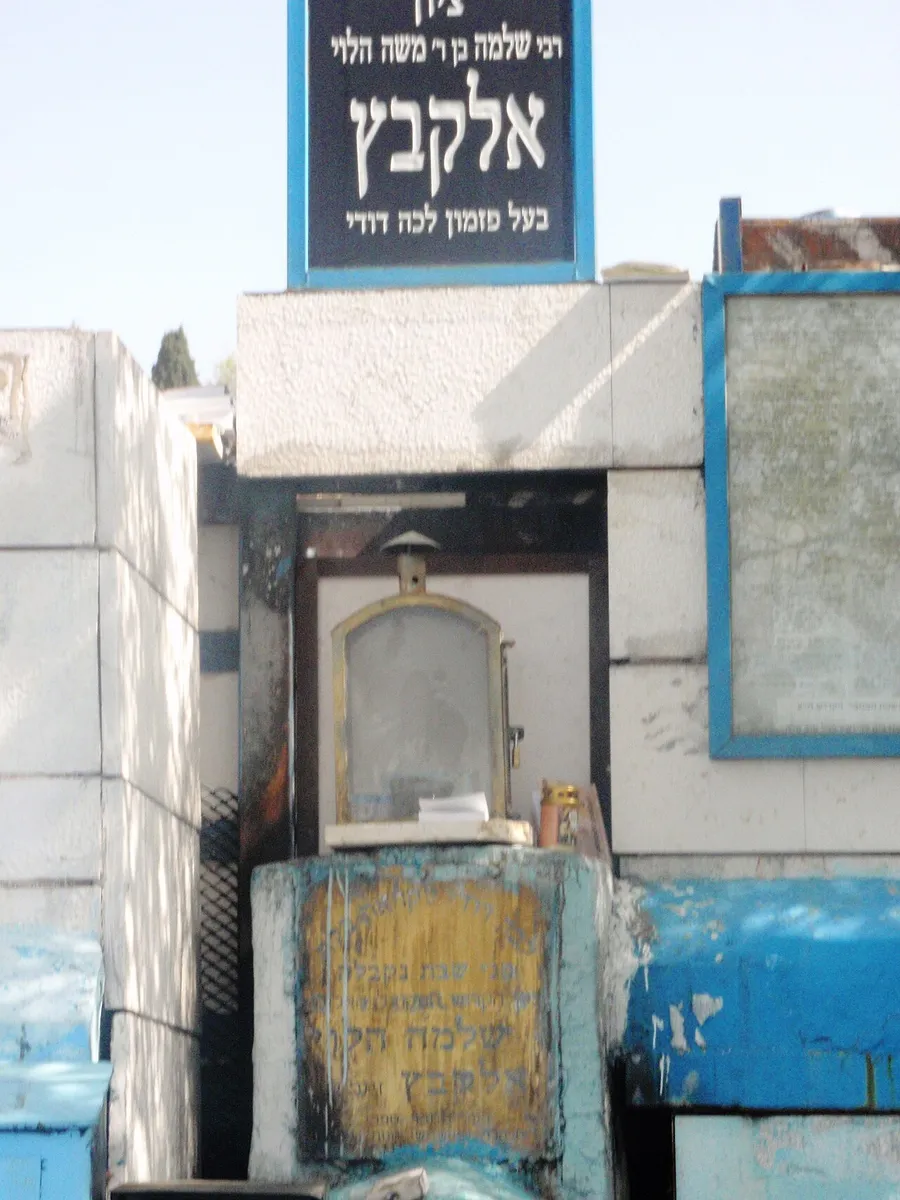
Rabbi Shlomo HaLevi Alkabetz (שלמה הלוי אלקבץ) was a kabbalist, poet and commentator, author of the hymn Lecha Dodi, with which Shabbat is welcomed. He was born around 1505 in Salonica and died in Safed in 1584. He was the teacher of Rabbi Moshe Cordovero, who was also his brother-in-law.
Quick facts
| Name | Rabbi Shlomo HaLevi Alkabetz |
| Born | Around 1505, in Salonica (approximate date) |
| Died | 1584, in Safed |
| Teacher | Rabbi Yosef Taitazak |
| Disciples | Rabbi Moshe Cordovero, Rabbi Shmuel de Uceda, Rabbi Abraham Galante |
| Best-known work | Lecha Dodi |
Salonica and Adrianople
He was born into a Sephardic family; the source gives his father as Rabbi Moshe Alkabetz. He studied with Rabbi Yosef Taitazak. In 1529 he married the daughter of Rabbi Yitzchak Cohen, a rich man of Salonica, and gave her a copy of his work Manot HaLevi, finished that year.
He later settled in Adrianople, where he wrote several works: Beit Hashem, Avotot Ahavah, Ayelet Ahavim and Brit HaLevi. Among his disciples there were Rabbi Shmuel de Uceda and Rabbi Abraham Galante, and in his circle, Rabbi Moshe Alshich, Rabbi Yosef Karo and his brother-in-law Rabbi Moshe Cordovero.
The night of Shavuot
Following the practice of the Zohar of reading biblical passages on the night of Shavuot, Alkabetz and Karo stayed awake reading. According to the account, Karo had a mystical experience in which the Shechinah appeared as a maggid and urged them to move to the Land of Israel. The same message was repeated the second night. Alkabetz recorded the episode, which appears in the introduction to Maggid Meisharim. It is a single account. See the biography of Rabbi Yosef Karo.
In Safed
He settled in Safed at about thirty, probably in 1535. Before leaving he delivered a sermon on the rebuilding of the Temple, with messianic enthusiasm.
He was the teacher of Kabbalah of Cordovero, who would later be his brother-in-law and one of the great figures of Safed before the arrival of the Arizal: see the biography of the Ramak.
Lecha Dodi
The liturgical hymn Lecha Dodi, sung to welcome Shabbat, is attributed to him. The source dates it to 1579.
His works
| Work | What it is | Date |
|---|---|---|
| Ayelet Ahavim | Commentary on Song of Songs | 1532; published in 1552 |
| Brit HaLevi | Kabbalistic commentary on the Haggadah | 1563 |
| Manot HaLevi | Commentary on Esther | 1529; published in 1585 |
| Shoresh Yishai | Commentary on Ruth | 1552; published in 1561 |
Other works survive in manuscript: Beit Hashem, Avotot Ahavah, Na’im Zemirot (Psalms), Pitzei Ohev (Job) and Shomer Emunim.
His death
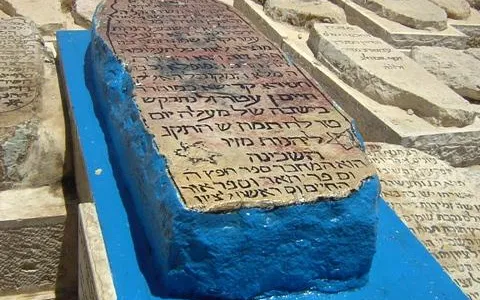
He died in Safed in 1584 and was buried in the old cemetery of the city. One of the source’s categories gives him as having died in 1576, which does not agree with 1584.
Frequently asked questions
What is Lecha Dodi?
A hymn sung on Friday afternoon to welcome Shabbat, attributed to Alkabetz.
What was his relationship with the Ramak?
He was his teacher of Kabbalah and his brother-in-law.
When did he die?
In 1584, according to the source. There is a discrepancy in one of its categories which gives 1576.
Sources
- Solomon Alkabetz, reference article (English Wikipedia) and the sources it cites