Rabbi Yitzchak Abravanel (1437–1508): biography, works and exile
Rabbi Yitzchak Abravanel (יצחק אברבנאל), also spelled Abarbanel, was a statesman, financier, philosopher and commentator on the Torah. He was born in Lisbon in 1437 and died in Venice in 1508. He lived through the expulsion of the Jews from Spain in 1492, and afterward wrote works that fed the messianic hope of the exiles.
Quick facts
| Name | Rabbi Yitzchak ben Yehuda Abravanel |
| Born | 1437, in Lisbon |
| Died | 1508, in Venice; buried in Padua (grave unknown) |
| Posts | Treasurer of King Alfonso V of Portugal; financier of the Catholic Monarchs |
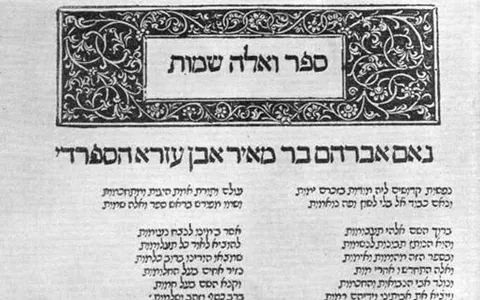
| Works | Commentaries on the Torah and the Prophets, Rosh Amanah, Nachalat Avot |
Portugal
He studied with Rabbi Yosef Chaim, rabbi of Lisbon, and regarded Rabbi Yosef ibn Shem Tov as his teacher. He was treasurer to King Alfonso V, drawing on his financial expertise and his inherited wealth, and helped ransom Jewish captives from Arzila, in Morocco. After Alfonso’s death, King John II accused him of collusion with the Duke of Braganza, executed for conspiracy. He fled to Castile in 1483 and his fortune was confiscated.
Castile
In Toledo he wrote a commentary on Joshua, Judges and Samuel. Together with Abraham Senior he was in charge of collecting royal revenues and supplying the army, work with which, according to the source, Queen Isabella was satisfied.
The expulsion and exile
He offered the Catholic Monarchs thirty thousand ducats to revoke the Alhambra Decree; the offer failed, and he left Spain for Naples. There he entered royal service. When the French took the city, he followed the young King Alfonso to Messina (1495) and afterward went to Corfu. He settled in Monopoli in 1496 and reached Venice in 1503, where he helped negotiate a commercial treaty between Portugal and Venice.
The anecdote of the bribe of six hundred thousand crowns and the one about Torquemada and the crucifix are traditional accounts with a doubtful basis.
His works
- Bible commentaries: on the Torah (published in Venice in 1579), on the Former and the Latter Prophets.
- Rosh Amanah (“The Summit of Faith”): a defense of Maimonides’ thirteen principles against Crescas and Albo.
- Works of messianic hope: Ma’ayenei HaYeshuah (1496), a commentary on Daniel; Yeshuot Meshicho (1497), on messianic rabbinic literature; and Mashmia Yeshuah (1498). The source calls them together Migdal Yeshuot.
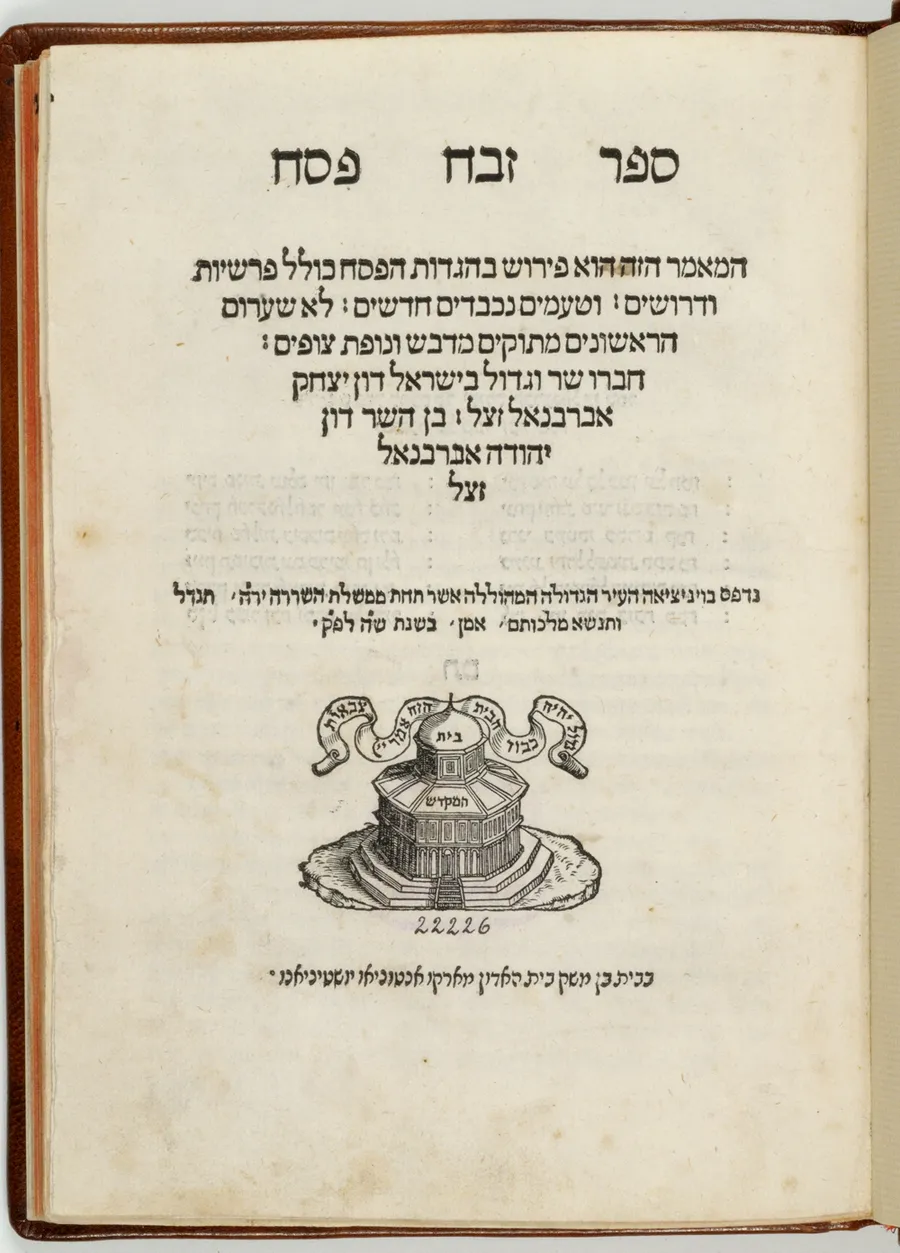
- Zevach Pesach and Nachalat Avot: written in Naples and printed together in Constantinople, 1505.
He wrote them to strengthen the messianic hope of the Spanish Jews after the expulsion.
Family
His family claimed Davidic descent. His son Yehuda insisted on the pronunciation “Abarbanel.” The source does not confirm the kinship with Yehuda Abravanel (Leone Ebreo), which other sources attribute to him: it should be verified.
His burial
He was buried in Padua, but his grave is unknown, because the Jewish cemetery was destroyed during the siege of Padua in 1509.
Frequently asked questions
What did he do at court?
He was treasurer to the king of Portugal and afterward financier to the Catholic Monarchs.
Why did he write about the Messiah?
To strengthen the hope of the Spanish Jews after the expulsion of 1492.
When did he die?
In 1508, in Venice.
Sources
- Isaac Abarbanel, reference article (English Wikipedia) and the sources it cites