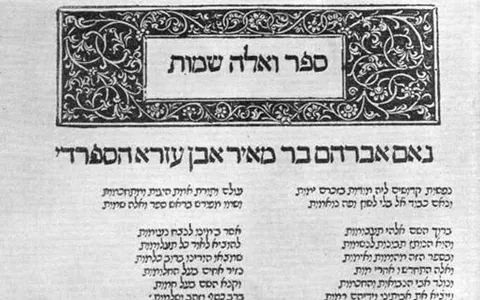
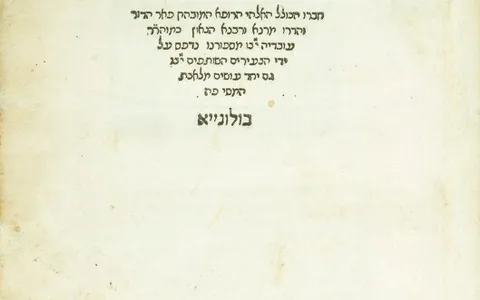
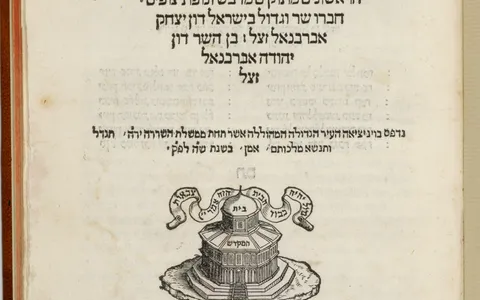
The Radak, Rabbi David Kimchi (c. 1160–1235): biography, grammar and commentaries
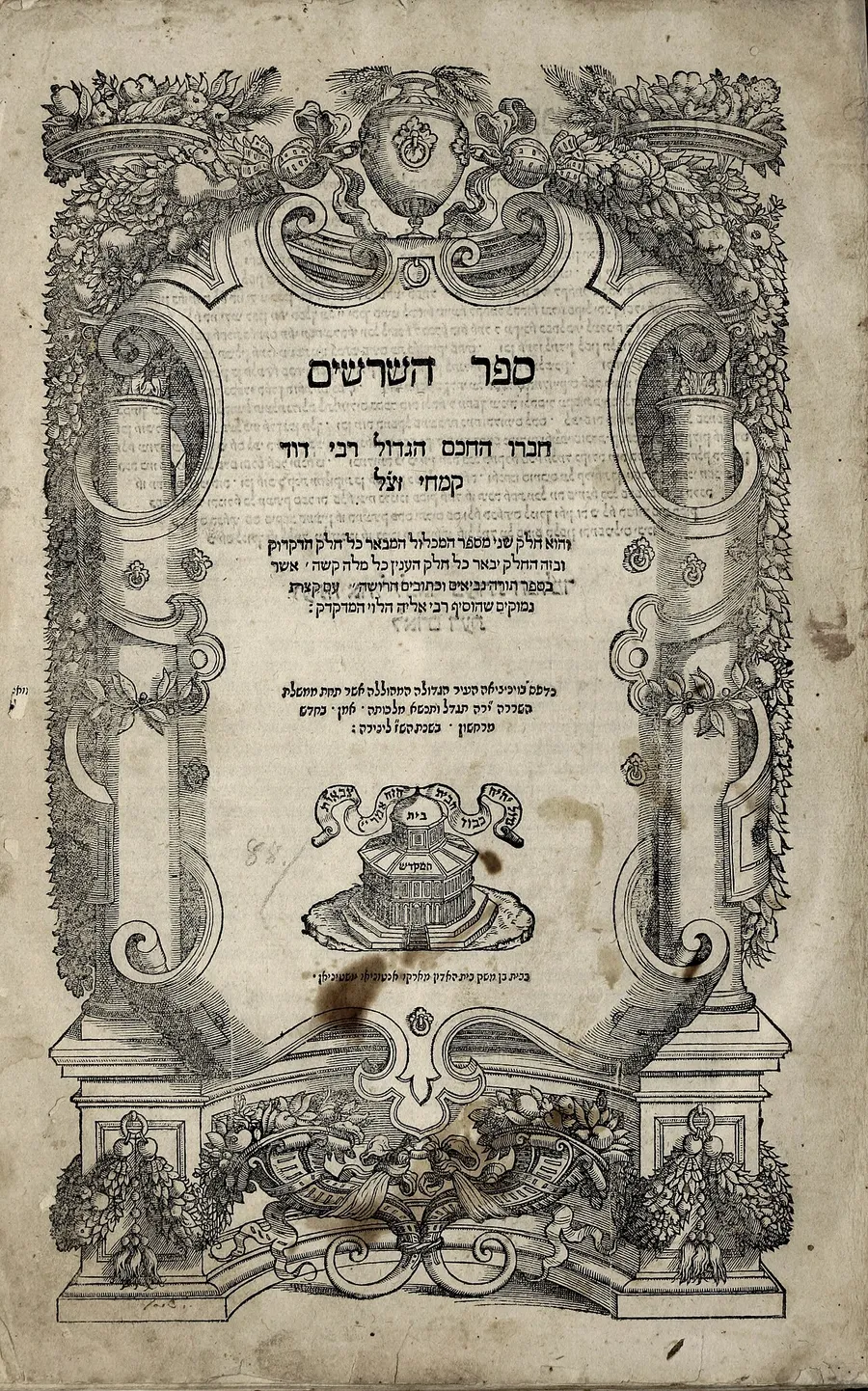
Rabbi David Kimchi (דוד קמחי), the Radak, was a grammarian and Bible commentator of Provence. He was born around 1160 in Narbonne and died around 1235. His commentaries on the Prophets and his works of Hebrew grammar made him one of the great references of medieval exegesis.
Quick facts
| Name | Rabbi David Kimchi. Acronym: Radak |
| Born | Around 1160, in Narbonne |
| Died | Around 1235 (the source does not give the place) |
| Family | Youngest son of Rabbi Yosef Kimchi; brother of Rabbi Moshe Kimchi |
| Works | Mikhlol, Sefer HaShorashim, Bible commentaries |
Family and early years
He was the youngest son of Rabbi Yosef Kimchi, and his brother Rabbi Moshe Kimchi, also a commentator and grammarian, raised him after their father’s death. The source notes that the family’s works were sponsored by the Ibn Yahya family of Lisbon. He earned his living teaching Talmud to young students.
Grammar and lexicon
His works Mikhlol and Sefer HaShorashim (“Book of Roots”) rely heavily on Yehuda ben David Hayyuj, on Yonah ibn Janah and on his father. The source credits him with original contributions, above all of method and of etymological definitions. Et Sofer was an abbreviated manual for scribes, written because many scribes of the 12th century did not know the rules. He saw himself above all as a compiler and synthesizer.
Commentaries
He is known above all for his commentaries on the Prophets, and also on Genesis, Psalms and Chronicles. His work combines grammar, etymology, philosophy, homiletics, rabbinic tradition and historical and geographical questions. His commentary on Genesis is philosophical and ethical in orientation.
Philosophy and polemic
Influenced by Ibn Ezra and Maimonides, he defended Maimonides in the later controversy and wrote to other rabbis asking for support. His moderate stance allowed the study of philosophy to those with a firm faith. He took part in public debates with Christians and criticized allegorical interpretation and the Christian claim to be the “true Israel.”
Influence
The source indicates, citing David Daiches, that his interpretations were favored by the translators of the King James version of the Bible. A street in Jerusalem, in the Rehavia neighborhood, bears his name.
Frequently asked questions
What does Radak mean?
It is the acronym of Rabbi David Kimchi (רד״ק).
Why is he important?
For his Hebrew grammar and for his commentaries, above all on the Prophets.
What stance did he take toward Maimonides?
He defended him in the controversy over his philosophical works.
Sources
- David Kimhi, reference article (English Wikipedia) and the sources it cites