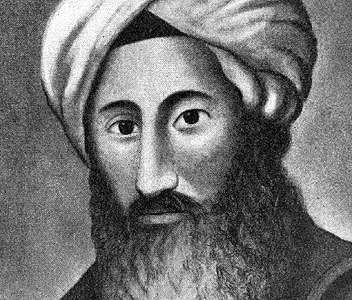
Rabbi Ovadia Yosef (1920–2013): biography, works and legacy
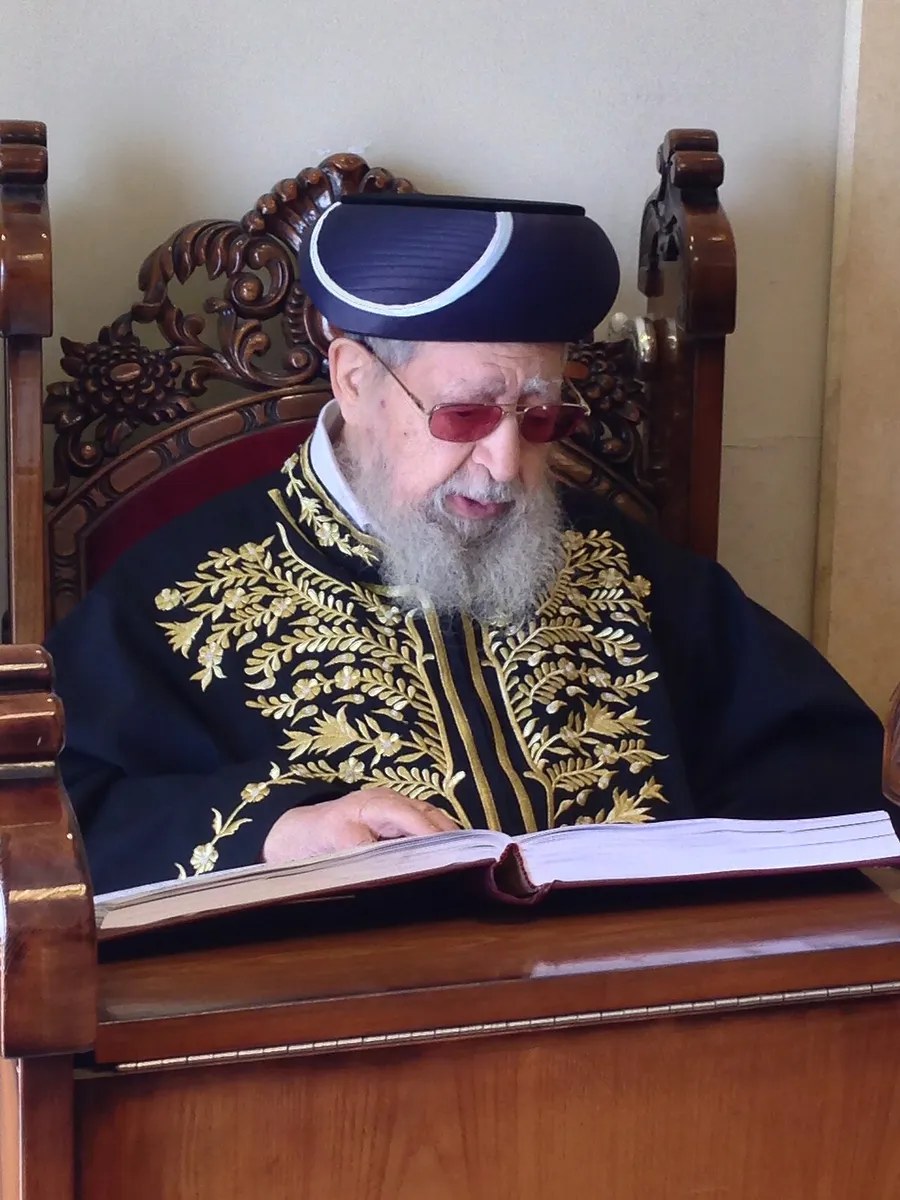
Rabbi Ovadia Yosef (עובדיה יוסף) was one of the great authorities of Sephardic Halacha in the 20th century. He was born in Baghdad in September 1920 and died in Jerusalem on October 7, 2013, at the age of ninety-three. He was Sephardic Chief Rabbi of Israel and the spiritual founder of the Shas party. He was known as Maran (“our master”).
Quick facts
| Name | Rabbi Ovadia Yosef |
| Born | September 23 or 24, 1920, in Baghdad (sources differ) |
| Died | October 7, 2013, in Jerusalem; buried in Sanhedria |
| Office | Sephardic Chief Rabbi of Israel, from 1972 or 1973 to 1983 |
| Works | Yabia Omer, Chazon Ovadia, Halichot Olam |
| Party | Shas, founded in 1984 (sources give 1982–1984) |
Childhood and education
He was born in Baghdad to Yaakov ben Ovadia and Gorgia (also spelled Gorjiya). In 1924 the family emigrated to Jerusalem and took the surname “Ovadia,” which he later changed to his middle name, Yosef. He studied at the Talmud Torah Bnei Zion and at the Porat Yosef yeshiva, and received ordination at about the age of twenty.
Egypt
In 1947 he was invited to Cairo to teach at the Ahava VeAchva yeshiva and, at the request of Rabbi Ben-Zion Meir Chai Uziel, he presided over the rabbinical court of the city. He resigned after two years, citing the lack of an organized system of kashrut and religious observance, and returned to Israel.
Rabbinic career
He was a judge of the rabbinical court of Petach Tikva, of the Jerusalem district court (1958–1965) and of the Supreme Rabbinical Court of Appeals. From 1968 he was Sephardic Chief Rabbi of Tel Aviv, and in 1972 (other sources say 1973) he was elected Sephardic Chief Rabbi of Israel, by 81 votes to 68, succeeding Rabbi Yitzchak Nissim. He served until 1983.
Shas
He founded the Shas party in 1984 as a response to the scant Sephardic representation in Agudat Israel, and was its spiritual leader until his death. The date of the founding is not uniform in the sources.
His works
- Chazon Ovadia (1951–1952): his first work of Halacha, on the laws of Passover.
- Yabia Omer: his main work, whose first two volumes appeared in 1953–1954 and 1955–1956 (sources vary by a year or two). The series reached ten volumes.
- Halichot Olam: gathers his objections to the Ben Ish Chai, printed in 1998.
His halachic approach
He gave authority to the Shulchan Aruch of Rabbi Yosef Karo, above all for Sephardim and Easterners; see the guide to the Shulchan Aruch. He tended to prefer lenient rulings, relying on the talmudic principle that the force of leniency is greater. He was cautious about giving special weight to kabbalistic rulings, although he sometimes accepted them if they did not contradict Karo. Some scholars describe his approach as a restoration of the Sephardic tradition and others as an innovative synthesis. His disagreements with Rabbi Yitzchak Nissim and with Rabbi Mordechai Eliyahu revolved around the Ben Ish Chai: see his biography.
Notable rulings
In the 1970s he ruled that the Jews of Ethiopia were Jews according to Halacha and supported their aliyah. He forbade Jews to ascend the Temple Mount. He supported the recognition of brain death and allowed the wives of soldiers missing for a long time to remarry.
Controversies
Some of his positions stirred public debate, such as his statements of 1999 about Israel’s Supreme Court, which led to a petition to prosecute him that the court dismissed, and the decision of 1990 to withdraw Shas from the coalition, criticized by other Haredi leaders.
Death and funeral
He died on October 7, 2013 at Hadassah Ein Kerem hospital, and was buried in the Sanhedria cemetery, next to his wife. The source describes his funeral as the largest in the history of Israel; estimates of attendance range from about 273,000 to 850,000.
Frequently asked questions
What does Maran mean?
“Our master.” It was the title by which he was known.
What is Yabia Omer?
His great collection of responsa, in ten volumes.
Was he Chief Rabbi of Israel?
Yes, the Sephardic one, between 1972 or 1973 and 1983.
Sources
- Ovadia Yosef, reference article (English Wikipedia) and the sources it cites
- Cross-checking: Jewish Virtual Library; DailyZohar; Jewish Ledger