Shaarei Orah by Rabbi Yosef Gikatilla: what it is and its influence
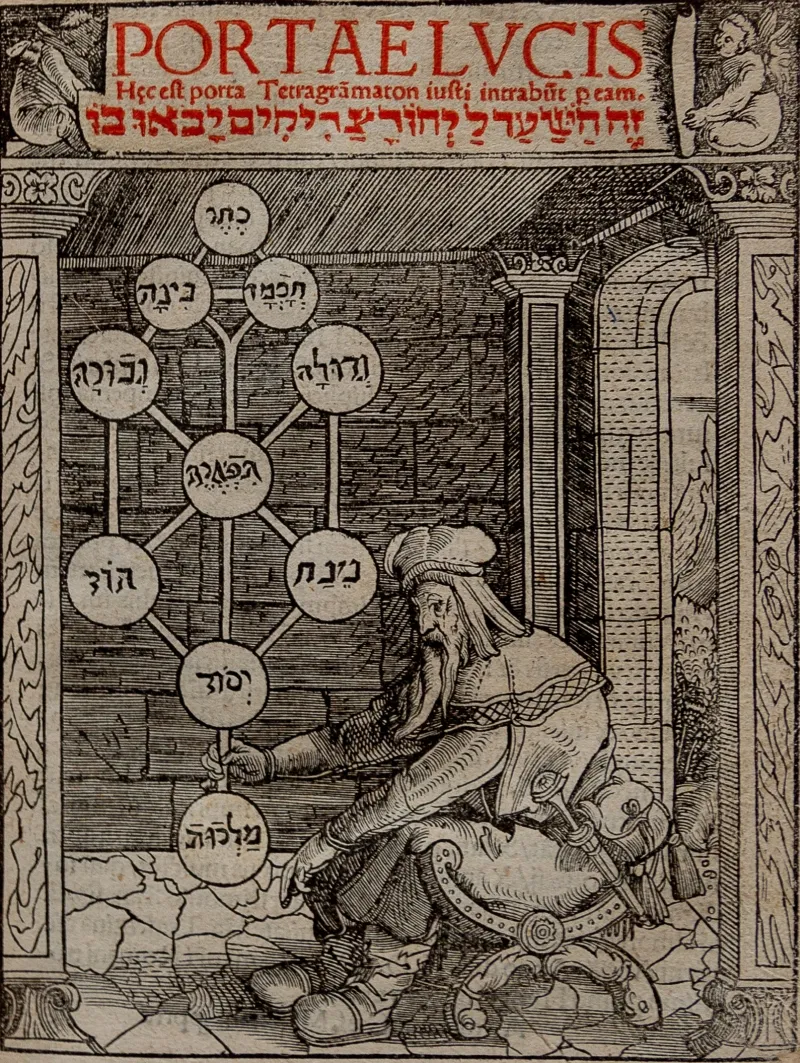
Shaarei Orah (שערי אורה), “The Gates of Light,” is the most influential work of Rabbi Yosef Gikatilla, an exposition of the names of G-d and of their relation to the ten sefirot. The source dates it before 1293.
Quick facts
| Title | Shaarei Orah (“The Gates of Light”) |
| Author | Rabbi Yosef Gikatilla |
| Date | Before 1293 |
| Theme | The divine names and the ten sefirot |
| Latin translation | Portae Lucis, by Paulus Ricius; Augsburg, 1516 |
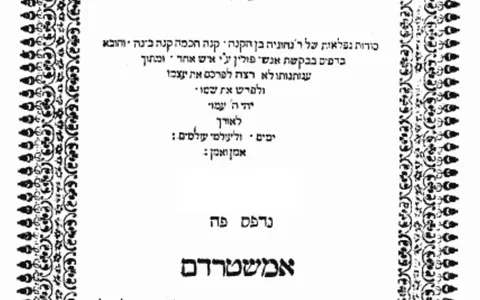
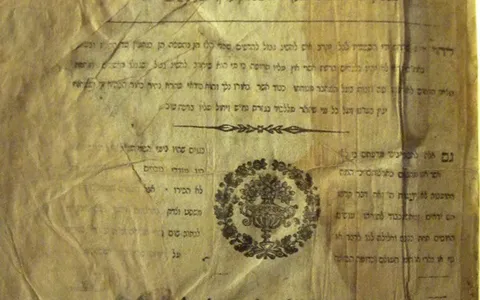
| Hebrew edition | Around 1561 (Riva di Trento or Mantua, according to the catalog) |
Content
The work offers a complete explanation of the names of G-d and of their relation to the ten sefirot. It is organized by divine names: it deals with a first name, a second name, and so on. The sources consulted do not describe it as a division into “ten gates,” so the meaning of the “gates” of the title is not explained in them.
The Latin translation
Paulus Ricius translated it partially into Latin as Portae Lucis, and it was printed in Augsburg in 1516, at the press of Johann Miller. It is notable for its illustrations: an auction listing describes it as the first printed book on the sefirot and the tree of life, with a title page engraved by Hans Burgkmair; this is a claim by an antiquarian dealer, which has not been independently verified. The humanist Johannes Reuchlin used it, and one source adds that he used it to defend himself against his adversaries.
Hebrew editions
The Hebrew editio princeps is usually dated to 1561: one catalog gives it in Mantua and another in Riva di Trento. The sources disagree about which is the first printing, the Latin one of 1516 or the Hebrew one of 1561.
Reception
According to tradition, the Arizal called it “the key to mystical studies.” The Vilna Gaon recommended its study, and among its Jewish readers were Cordovero, Karo and Vital.
Frequently asked questions
What is it about?
The divine names and their relation to the sefirot.
Who translated it into Latin?
Paulus Ricius, in Augsburg, in 1516.
When was it written?
Before 1293.
Sources
- Joseph ben Abraham Gikatilla, reference article (English Wikipedia)
- Cross-checking: Sephardic Horizons, “R. Joseph ben Abraham Gikatilla”; Bonhams and Kestenbaum catalogs (Portae Lucis, 1516)